SOLDES
Jusqu'à -70% sur une sélection d'articles*

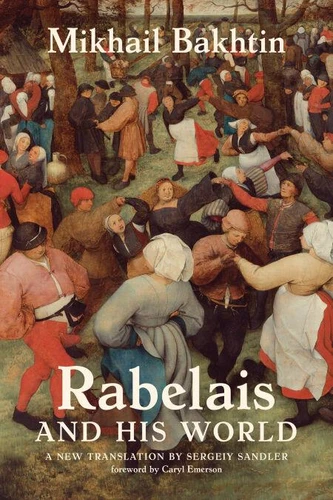
Rabelais and His World, a new translation
Par : , ,Formats :
Disponible dans votre compte client Decitre ou Furet du Nord dès validation de votre commande. Le format ePub protégé est :
- Compatible avec une lecture sur My Vivlio (smartphone, tablette, ordinateur)
- Compatible avec une lecture sur liseuses Vivlio
- Pour les liseuses autres que Vivlio, vous devez utiliser le logiciel Adobe Digital Edition. Non compatible avec la lecture sur les liseuses Kindle, Remarkable et Sony
- Non compatible avec un achat hors France métropolitaine
 , qui est-ce ?
Notre partenaire de plateforme de lecture numérique où vous retrouverez l'ensemble de vos ebooks gratuitement
Pour en savoir plus sur nos ebooks, consultez notre aide en ligne ici
C'est si simple ! Lisez votre ebook avec l'app Vivlio sur votre tablette, mobile ou ordinateur :

- Nombre de pages752
- FormatePub
- ISBN978-0-262-38427-8
- EAN9780262384278
- Date de parution28/10/2025
- Protection num.Adobe DRM
- Taille5 Mo
- Infos supplémentairesepub
- ÉditeurThe MIT Press
Résumé
A new and improved translation of Mikhail Bakhtin's classic and celebrated study of carnival. Mikhail Bakhtin's classic study of carnival, laughter, the grotesque, and medieval and renaissance folk culture has been the inspiration for countless new ideas in the humanities, in literature and the arts, and throughout human culture over the last half century. Rabelais and His World is a study devoted to French Renaissance writer François Rabelais, author of Gargantua and Pantagruel.
Rabelais, Bakhtin argues, can only be properly understood against the backdrop of a millennia-old tradition of festivity and laughter, a tradition that included the Roman Saturnalia, medieval carnivals and feasts of fools, and Greek satyr plays and symposia from antiquity, as well as countless medieval works belonging to various smaller genres, circus shows, foul language and gesture, and much more.
Bakhtin claims this tradition is united by the imagery it uses and the worldview it expresses. Its imagery is ambivalent. It effaces the boundaries between bodies, connects in one image birth with death, praise with invective. Its worldview is optimistic, defeating all fears and all official seriousness with laughter. The book's new translation is informed by recent scholarship on Bakhtin and contains the most extensive scholarly apparatus this book has received to date.
Rabelais, Bakhtin argues, can only be properly understood against the backdrop of a millennia-old tradition of festivity and laughter, a tradition that included the Roman Saturnalia, medieval carnivals and feasts of fools, and Greek satyr plays and symposia from antiquity, as well as countless medieval works belonging to various smaller genres, circus shows, foul language and gesture, and much more.
Bakhtin claims this tradition is united by the imagery it uses and the worldview it expresses. Its imagery is ambivalent. It effaces the boundaries between bodies, connects in one image birth with death, praise with invective. Its worldview is optimistic, defeating all fears and all official seriousness with laughter. The book's new translation is informed by recent scholarship on Bakhtin and contains the most extensive scholarly apparatus this book has received to date.