At Hourly History, we publish history books that are concise, straightforward and take no longer than one hour to read. Receive our new eBooks for free every Friday. Sign up at: www.hourlyhistory.com/free
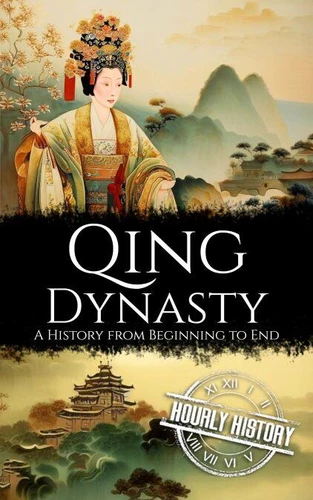
Qing Dynasty: A History from Beginning to End
Par :Formats :
Disponible dans votre compte client Decitre ou Furet du Nord dès validation de votre commande. Le format ePub est :
- Compatible avec une lecture sur My Vivlio (smartphone, tablette, ordinateur)
- Compatible avec une lecture sur liseuses Vivlio
- Pour les liseuses autres que Vivlio, vous devez utiliser le logiciel Adobe Digital Edition. Non compatible avec la lecture sur les liseuses Kindle, Remarkable et Sony
 , qui est-ce ?
Notre partenaire de plateforme de lecture numérique où vous retrouverez l'ensemble de vos ebooks gratuitement
Pour en savoir plus sur nos ebooks, consultez notre aide en ligne ici
C'est si simple ! Lisez votre ebook avec l'app Vivlio sur votre tablette, mobile ou ordinateur :

- FormatePub
- ISBN8235330849
- EAN9798235330849
- Date de parution23/10/2023
- Protection num.pas de protection
- Infos supplémentairesepub
- ÉditeurIoakim Ioakim
Résumé
The history of China as a single nation began more than 2, 000 years ago when Qin Shi Huangdi first united a group of warring kingdoms into a single empire. China was then ruled by a series of imperial dynasties until the last one-the Qing Dynasty-fell in 1912. The 275-year period of Qing rule saw China becoming a world superpower, gaining dominance over present-day Korea, Tibet, and Vietnam as well as becoming the center of global trade.
However, it also included the most tumultuous times in China's long history. As acquisitive European kingdoms grew, they sought to expand their areas of power into Asia, using new military technologies and tactics that China, then clinging to traditional weapons and tactics, seemed powerless to oppose. Nevertheless, it was internal turmoil that would finally destroy this dynasty. The Manchu elites who ruled China deliberately distanced themselves from the mass of Han Chinese people.
This view of the rulers as outsiders led to a series of rebellions that began in 1794, continued throughout the nineteenth century, and finally led to the uprising that would destroy the Qing Dynasty at the beginning of the twentieth century. This is the story of a dynasty of immense power that was faced throughout its history by implacable foes both outside and in. This is the story of the bridge between traditional and modern China: the Qing Dynasty.
However, it also included the most tumultuous times in China's long history. As acquisitive European kingdoms grew, they sought to expand their areas of power into Asia, using new military technologies and tactics that China, then clinging to traditional weapons and tactics, seemed powerless to oppose. Nevertheless, it was internal turmoil that would finally destroy this dynasty. The Manchu elites who ruled China deliberately distanced themselves from the mass of Han Chinese people.
This view of the rulers as outsiders led to a series of rebellions that began in 1794, continued throughout the nineteenth century, and finally led to the uprising that would destroy the Qing Dynasty at the beginning of the twentieth century. This is the story of a dynasty of immense power that was faced throughout its history by implacable foes both outside and in. This is the story of the bridge between traditional and modern China: the Qing Dynasty.
A propos de Hourly History

Leon Trotsky
E-book
2,99 €

2,99 €

2,99 €

Kofi Annan
E-book
2,99 €
2,99 €
2,99 €

Shirley Chisholm
E-book
2,99 €

Harlem Renaissance
E-book
2,99 €
2,99 €

2,99 €

2,99 €
2,99 €
Alan Watts
E-book
2,99 €
2,99 €