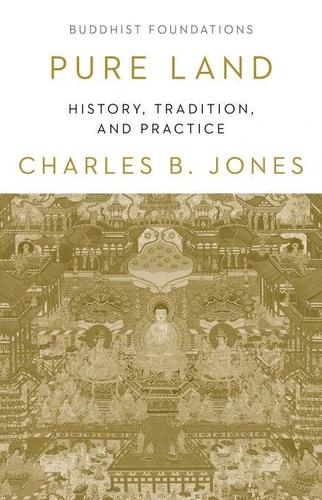
Pure Land. History, Tradittion, and Practice
Par :Formats :
Disponible dans votre compte client Decitre ou Furet du Nord dès validation de votre commande. Le format ePub protégé est :
- Compatible avec une lecture sur My Vivlio (smartphone, tablette, ordinateur)
- Compatible avec une lecture sur liseuses Vivlio
- Pour les liseuses autres que Vivlio, vous devez utiliser le logiciel Adobe Digital Edition. Non compatible avec la lecture sur les liseuses Kindle, Remarkable et Sony
- Non compatible avec un achat hors France métropolitaine
 , qui est-ce ?
Notre partenaire de plateforme de lecture numérique où vous retrouverez l'ensemble de vos ebooks gratuitement
Pour en savoir plus sur nos ebooks, consultez notre aide en ligne ici
C'est si simple ! Lisez votre ebook avec l'app Vivlio sur votre tablette, mobile ou ordinateur :

- Nombre de pages264
- FormatePub
- ISBN978-0-8348-4344-8
- EAN9780834843448
- Date de parution18/05/2021
- Protection num.Adobe DRM
- Taille3 Mo
- Infos supplémentairesepub
- ÉditeurShambhala
Résumé
An introductory guide to the beliefs and key concepts of Pure Land Buddhism, the most widely practiced form of Buddhism in East Asia. Pure Land is a brief introduction to the history and practices of Pure Land Buddhism, a popular and growing global tradition. Pure Land practices center on Amitabha Buddha, rebirth in his pure buddha-land, and the guaranteed attainment of buddhahood. It constitutes the dominant tradition of most Buddhists in East Asia and is the most common form of practice within immigrant Buddhist communities in America, yet it remains elusive to many general readers of Buddhism.
This brief introduction summarizes the core teachings of this tradition and charts its growth throughout the world. Part of the Buddhist Foundations series, Pure Land covers the spiritual tenets behind the tradition before describing how prayer and devotion to Amitabha allow for rebirth in a realm free from suffering and ideal for progress on the path to enlightenment. It then outlines specific Pure Land practices, all the while providing historical context to account for its widespread popularity throughout East Asia.
The author also covers contemporary Pure Land traditions, providing a useful touch point for modern readers. Pure Land practitioners and readers interested in Asian-American Buddhist communities now have a concise guide to the ideas, practices, and origins of this widely popular spiritual tradition.
This brief introduction summarizes the core teachings of this tradition and charts its growth throughout the world. Part of the Buddhist Foundations series, Pure Land covers the spiritual tenets behind the tradition before describing how prayer and devotion to Amitabha allow for rebirth in a realm free from suffering and ideal for progress on the path to enlightenment. It then outlines specific Pure Land practices, all the while providing historical context to account for its widespread popularity throughout East Asia.
The author also covers contemporary Pure Land traditions, providing a useful touch point for modern readers. Pure Land practitioners and readers interested in Asian-American Buddhist communities now have a concise guide to the ideas, practices, and origins of this widely popular spiritual tradition.