SOLDES
Jusqu'à -70% sur une sélection d'articles*

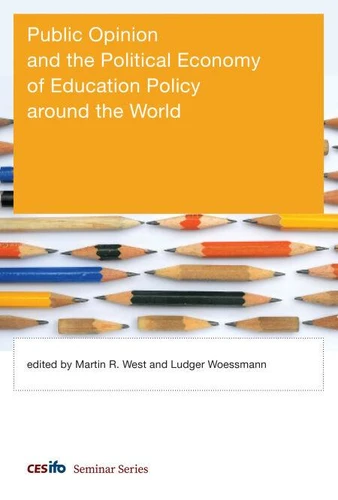
Public Opinion and the Political Economy of Education Policy around the World
Par : ,Formats :
Disponible dans votre compte client Decitre ou Furet du Nord dès validation de votre commande. Le format ePub protégé est :
- Compatible avec une lecture sur My Vivlio (smartphone, tablette, ordinateur)
- Compatible avec une lecture sur liseuses Vivlio
- Pour les liseuses autres que Vivlio, vous devez utiliser le logiciel Adobe Digital Edition. Non compatible avec la lecture sur les liseuses Kindle, Remarkable et Sony
- Non compatible avec un achat hors France métropolitaine
 , qui est-ce ?
Notre partenaire de plateforme de lecture numérique où vous retrouverez l'ensemble de vos ebooks gratuitement
Pour en savoir plus sur nos ebooks, consultez notre aide en ligne ici
C'est si simple ! Lisez votre ebook avec l'app Vivlio sur votre tablette, mobile ou ordinateur :

- Nombre de pages292
- FormatePub
- ISBN978-0-262-36347-1
- EAN9780262363471
- Date de parution27/04/2021
- Protection num.Adobe DRM
- Taille16 Mo
- Infos supplémentairesepub
- ÉditeurThe MIT Press
Résumé
Comparative analyses of the influence of public opinion on education policy in developed countries. Although research has suggested a variety of changes to education policy that have the potential to improve educational outcomes, politicians are often reluctant to implement such evidence-based reforms. Public opinion and pressure by interest groups would seem to have a greater role in shaping education policy than insights drawn from empirical data.
The construction of a comparative political economy of education that seeks to explain policy differences among nations is long overdue. This book offers the first comparative inventory and analysis of public opinion and education in developed countries, drawing on data primarily from Europe and the United States.
The construction of a comparative political economy of education that seeks to explain policy differences among nations is long overdue. This book offers the first comparative inventory and analysis of public opinion and education in developed countries, drawing on data primarily from Europe and the United States.