SOLDES
Jusqu'à -70% sur une sélection d'articles*

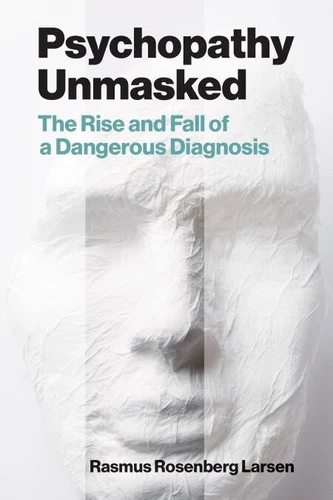
Psychopathy Unmasked. The Rise and Fall of a Dangerous Diagnosis
Par :Formats :
Disponible dans votre compte client Decitre ou Furet du Nord dès validation de votre commande. Le format ePub protégé est :
- Compatible avec une lecture sur My Vivlio (smartphone, tablette, ordinateur)
- Compatible avec une lecture sur liseuses Vivlio
- Pour les liseuses autres que Vivlio, vous devez utiliser le logiciel Adobe Digital Edition. Non compatible avec la lecture sur les liseuses Kindle, Remarkable et Sony
- Non compatible avec un achat hors France métropolitaine
 , qui est-ce ?
Notre partenaire de plateforme de lecture numérique où vous retrouverez l'ensemble de vos ebooks gratuitement
Pour en savoir plus sur nos ebooks, consultez notre aide en ligne ici
C'est si simple ! Lisez votre ebook avec l'app Vivlio sur votre tablette, mobile ou ordinateur :

- Nombre de pages328
- FormatePub
- ISBN978-0-262-38285-4
- EAN9780262382854
- Date de parution17/06/2025
- Protection num.Adobe DRM
- Taille2 Mo
- Infos supplémentairesepub
- ÉditeurThe MIT Press
Résumé
Why our fascination with psychopaths is scientifically wrongheaded, and how the criminal justice system has misused the controversial science of psychopathy. Psychopathy is a widely acknowledged personality disorder associated with callous unemotional traits and antisocial behaviors. Psychopathic persons are described as dangerous predators incapable of empathy and moral intuition, and while they are believed to make up only around 1 percent of the general population, forensic experts claim they are disproportionately responsible for the majority of violent crimes.
Today, psychopathy assessments are being widely used in the legal system to inform a variety of judicial decisions. In Psychopathy Unmasked, Rasmus Rosenberg Larsen provides a critical rebuttal of psychopathy and its legal use, scrutinizing central claims about the diagnosis that have traditionally served to justify its role in the criminal justice system. It is estimated that hundreds of thousands of offenders undergo a psychopathy assessment each year in North America.
This book surveys and discusses contemporary developments in psychopathy research where studies have consistently shown that psychopathic persons, contrary to mainstream beliefs, are not meaningfully more dangerous than, or psychologically different from, ordinary non-psychopathic criminals. Based on these disqualifying findings, Larsen argues that we should end the use of psychopathy assessments in the legal system.
Today, psychopathy assessments are being widely used in the legal system to inform a variety of judicial decisions. In Psychopathy Unmasked, Rasmus Rosenberg Larsen provides a critical rebuttal of psychopathy and its legal use, scrutinizing central claims about the diagnosis that have traditionally served to justify its role in the criminal justice system. It is estimated that hundreds of thousands of offenders undergo a psychopathy assessment each year in North America.
This book surveys and discusses contemporary developments in psychopathy research where studies have consistently shown that psychopathic persons, contrary to mainstream beliefs, are not meaningfully more dangerous than, or psychologically different from, ordinary non-psychopathic criminals. Based on these disqualifying findings, Larsen argues that we should end the use of psychopathy assessments in the legal system.