SOLDES
Jusqu'à -70% sur une sélection d'articles*

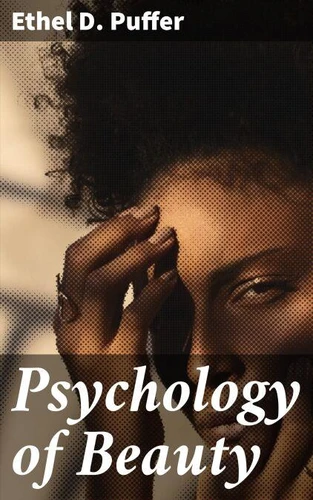
Psychology of Beauty. Exploring Aesthetics and Human Perception in the Early 20th Century
Par :Formats :
Disponible dans votre compte client Decitre ou Furet du Nord dès validation de votre commande. Le format ePub est :
- Compatible avec une lecture sur My Vivlio (smartphone, tablette, ordinateur)
- Compatible avec une lecture sur liseuses Vivlio
- Pour les liseuses autres que Vivlio, vous devez utiliser le logiciel Adobe Digital Edition. Non compatible avec la lecture sur les liseuses Kindle, Remarkable et Sony
 , qui est-ce ?
Notre partenaire de plateforme de lecture numérique où vous retrouverez l'ensemble de vos ebooks gratuitement
Pour en savoir plus sur nos ebooks, consultez notre aide en ligne ici
C'est si simple ! Lisez votre ebook avec l'app Vivlio sur votre tablette, mobile ou ordinateur :

- Nombre de pages168
- FormatePub
- ISBN406-4-06-645845-4
- EAN4064066458454
- Date de parution11/04/2021
- Protection num.Digital Watermarking
- Taille605 Ko
- Infos supplémentairesepub
- ÉditeurGOOD PRESS
Résumé
In "Psychology of Beauty, " Ethel D. Puffer delves into the intricate relationship between aesthetics and human perception, weaving together the strands of psychological theory and artistic expression. Puffer employs a nuanced literary style that balances scholarly rigor with an approachable narrative, making complex psychological concepts accessible to a broader audience. The book situates itself within the burgeoning field of psychological aesthetics emerging in the early 20th century, addressing the philosophical underpinnings of beauty as influenced by individual and cultural differences, while also exploring the impact of beauty on human behavior and social interactions.
Ethel D. Puffer was an influential figure in psychological studies, often noted for her interdisciplinary approach that combined art, psychology, and philosophy. Her academic background and personal experiences in a rapidly modernizing world shaped her insights into how beauty can affect mental health and societal norms. Puffer's passion for art and her understanding of psychoanalytic principles fuel her exploration of beauty, allowing her to construct a compelling narrative that resonates with both scholars and lay readers alike.
This book is a must-read for anyone fascinated by the intersection of psychology and aesthetics. Puffer invites readers to reconsider their perceptions of beauty, encouraging a deeper understanding of its psychological implications. Whether you are a student of psychology, an artist, or simply curious about the nature of beauty in human experience, "Psychology of Beauty" offers profound insights that linger long after the last page is turned.
Ethel D. Puffer was an influential figure in psychological studies, often noted for her interdisciplinary approach that combined art, psychology, and philosophy. Her academic background and personal experiences in a rapidly modernizing world shaped her insights into how beauty can affect mental health and societal norms. Puffer's passion for art and her understanding of psychoanalytic principles fuel her exploration of beauty, allowing her to construct a compelling narrative that resonates with both scholars and lay readers alike.
This book is a must-read for anyone fascinated by the intersection of psychology and aesthetics. Puffer invites readers to reconsider their perceptions of beauty, encouraging a deeper understanding of its psychological implications. Whether you are a student of psychology, an artist, or simply curious about the nature of beauty in human experience, "Psychology of Beauty" offers profound insights that linger long after the last page is turned.