
Murray Constantine (1896-1963)Murray Constantine was a pseudonym for the feminist SF writer Katharine Burdekin. Born Katharine Cade, she was the younger sister of Rowena Cade who created the Minack Theatre in Cornwall. In addition to her Utopian and Dystopian fiction, she wrote several children's books, including The Children's Country under the pen name Kay Burdekin. Her best-known work remains Swastika Night, written as Murray Constantine - a pseudonym that was not confirmed until two decades after her death.
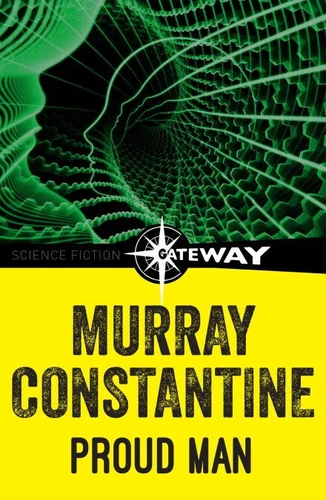
Proud Man
Par :Formats :
Disponible dans votre compte client Decitre ou Furet du Nord dès validation de votre commande. Le format ePub protégé est :
- Compatible avec une lecture sur My Vivlio (smartphone, tablette, ordinateur)
- Compatible avec une lecture sur liseuses Vivlio
- Pour les liseuses autres que Vivlio, vous devez utiliser le logiciel Adobe Digital Edition. Non compatible avec la lecture sur les liseuses Kindle, Remarkable et Sony
- Non compatible avec un achat hors France métropolitaine
 , qui est-ce ?
Notre partenaire de plateforme de lecture numérique où vous retrouverez l'ensemble de vos ebooks gratuitement
Pour en savoir plus sur nos ebooks, consultez notre aide en ligne ici
C'est si simple ! Lisez votre ebook avec l'app Vivlio sur votre tablette, mobile ou ordinateur :

- Nombre de pages272
- FormatePub
- ISBN978-1-4732-1468-2
- EAN9781473214682
- Date de parution26/10/2016
- Protection num.Adobe DRM
- Infos supplémentairesepub
- ÉditeurGateway
Résumé
Originally published in England in 1934, this searing, still timely novel offers and incisive critique of the sexual politics and militarism of England, and the West as a whole. Proud Man is told from the perspective of a "Genuine Person" who has been thrown back in time thousands of years from a peaceful future society. The Genuine Person comes from a people that are androgynous, self-fertilizing, and vegetarian; they live without a national government and artificial social divisions of gender and class.
Taking on first female, then male form, the "Genuine Person" confronts the deeply troubled reality of England in the 1930s, still battered after one World War and on the road to another.
Taking on first female, then male form, the "Genuine Person" confronts the deeply troubled reality of England in the 1930s, still battered after one World War and on the road to another.
A propos de Murray Constantine
4,49 €
Swastika Night
E-book
3,99 €