SOLDES
Jusqu'à -70% sur une sélection d'articles*

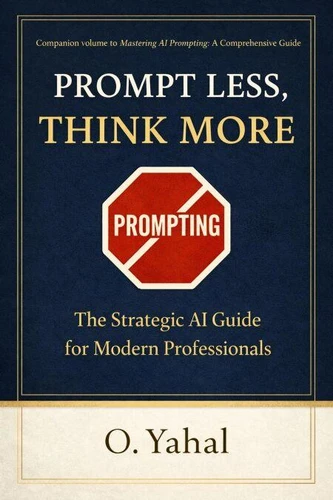
Prompt Less, Think More: The Strategic AI Guide for Modern Professionals
Par :Formats :
Disponible dans votre compte client Decitre ou Furet du Nord dès validation de votre commande. Le format ePub est :
- Compatible avec une lecture sur My Vivlio (smartphone, tablette, ordinateur)
- Compatible avec une lecture sur liseuses Vivlio
- Pour les liseuses autres que Vivlio, vous devez utiliser le logiciel Adobe Digital Edition. Non compatible avec la lecture sur les liseuses Kindle, Remarkable et Sony
 , qui est-ce ?
Notre partenaire de plateforme de lecture numérique où vous retrouverez l'ensemble de vos ebooks gratuitement
Pour en savoir plus sur nos ebooks, consultez notre aide en ligne ici
C'est si simple ! Lisez votre ebook avec l'app Vivlio sur votre tablette, mobile ou ordinateur :

- FormatePub
- ISBN8232003845
- EAN9798232003845
- Date de parution26/02/2026
- Protection num.pas de protection
- Infos supplémentairesepub
- ÉditeurDraft2Digital
Résumé
When I wrote Mastering AI Prompting: A Comprehensive Guide, I made a prediction. I said that by 2028, AI would no longer be a novelty, it would be a necessity. I believed that within a few years, the ability to work with AI effectively would separate those who thrive professionally from those who struggle to keep up. I was wrong about the timeline. Not in the direction of overestimating AI, but in the direction of underestimating it.
It is early 2026, and we are already there. In the time since my first book was published, I have watched AI models grow more capable at a pace that surprised even me. I have watched universities rush to build AI curricula. I have watched entire industries begin to rethink what human expertise means. I have watched Google's own leadership make remarkable statements about AI catching up, fast, in medicine, law, and the creative arts.
I have watched ghostwriters and copywriters stare at their screens in disbelief. I have also watched people use this extraordinary tool to do extraordinarily ordinary things. I have seen AI asked to count from one to one million. I have seen it used to write passive-aggressive messages to neighbors. I have seen a lawyer submit AI-generated court documents filled with citations to cases that simply do not exist; and face the consequences in open court.
I have seen a journalist publish an article with a fragment of his own prompt still sitting in the final paragraph, for all the world to read. These are not stories of bad people. They are stories of unprepared people. And that is exactly why this book exists. This book is not a replacement for Mastering AI Prompting. If you have read that book, you already have a strong foundation. Think of this as the next conversation, the one we would have after you have learned the basics and are now asking the bigger questions: How do I think with AI, not just talk to it? How do I use it wisely in my profession? How do I stay relevant as the technology evolves even faster than anyone predicted?If you have not read my first book, do not worry.
This book is designed to stand on its own. It assumes you know what AI is and that you have probably used it at least once. What it does not assume is that you are using it well, and that is the gap we are here to close. A word about tone: I have written this as a coach, not a critic. I am not here to make you feel behind. I am here to help you catch up, step up, and stay ahead. Every chapter ends with actions you can take immediately.
There are real stories here, some of them uncomfortable, all of them instructive. There are tables, flowcharts, and frameworks you can return to again and again. There are sections specifically for educators who want to teach AI responsibly in their classrooms. Most importantly, this book is written with a deep belief that you, wherever you are in your AI journey, are capable of becoming a strategic thinker who uses AI to expand what is possible in your work and your life.
The future did not wait for 2028. Neither should you.
It is early 2026, and we are already there. In the time since my first book was published, I have watched AI models grow more capable at a pace that surprised even me. I have watched universities rush to build AI curricula. I have watched entire industries begin to rethink what human expertise means. I have watched Google's own leadership make remarkable statements about AI catching up, fast, in medicine, law, and the creative arts.
I have watched ghostwriters and copywriters stare at their screens in disbelief. I have also watched people use this extraordinary tool to do extraordinarily ordinary things. I have seen AI asked to count from one to one million. I have seen it used to write passive-aggressive messages to neighbors. I have seen a lawyer submit AI-generated court documents filled with citations to cases that simply do not exist; and face the consequences in open court.
I have seen a journalist publish an article with a fragment of his own prompt still sitting in the final paragraph, for all the world to read. These are not stories of bad people. They are stories of unprepared people. And that is exactly why this book exists. This book is not a replacement for Mastering AI Prompting. If you have read that book, you already have a strong foundation. Think of this as the next conversation, the one we would have after you have learned the basics and are now asking the bigger questions: How do I think with AI, not just talk to it? How do I use it wisely in my profession? How do I stay relevant as the technology evolves even faster than anyone predicted?If you have not read my first book, do not worry.
This book is designed to stand on its own. It assumes you know what AI is and that you have probably used it at least once. What it does not assume is that you are using it well, and that is the gap we are here to close. A word about tone: I have written this as a coach, not a critic. I am not here to make you feel behind. I am here to help you catch up, step up, and stay ahead. Every chapter ends with actions you can take immediately.
There are real stories here, some of them uncomfortable, all of them instructive. There are tables, flowcharts, and frameworks you can return to again and again. There are sections specifically for educators who want to teach AI responsibly in their classrooms. Most importantly, this book is written with a deep belief that you, wherever you are in your AI journey, are capable of becoming a strategic thinker who uses AI to expand what is possible in your work and your life.
The future did not wait for 2028. Neither should you.
A propos de O.Yahal
13,99 €
16,49 €
16,49 €
The Gal Next Door
E-book
5,49 €
18,99 €
17,99 €
Temporal Optimality
E-book
14,49 €
Is this The Life?
E-book
14,49 €
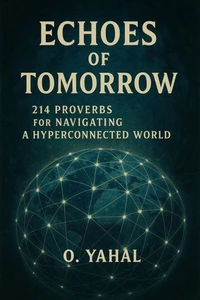
Echoes of Tomorrow
E-book
4,49 €
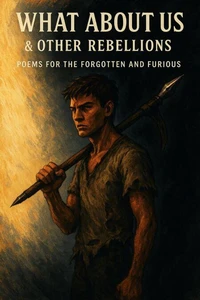
What About Us?
E-book
6,99 €
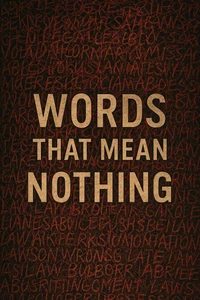
Words That Mean Nothing
E-book
4,49 €

4,49 €
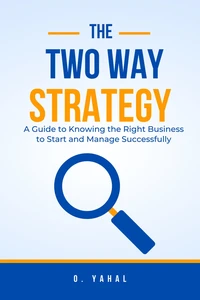
The Two-Way Strategy
E-book
8,49 €