SOLDES
Jusqu'à -70% sur une sélection d'articles*

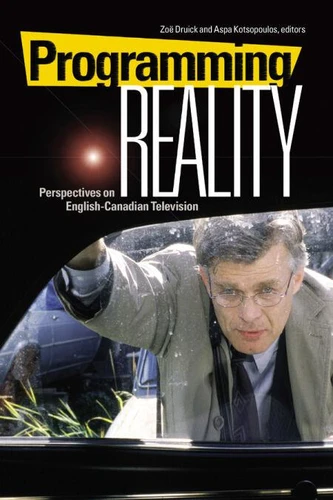
Programming Reality. Perspectives on English-Canadian Television
Par : ,Formats :
Disponible dans votre compte client Decitre ou Furet du Nord dès validation de votre commande. Le format PDF est :
- Compatible avec une lecture sur My Vivlio (smartphone, tablette, ordinateur)
- Compatible avec une lecture sur liseuses Vivlio
- Pour les liseuses autres que Vivlio, vous devez utiliser le logiciel Adobe Digital Edition. Non compatible avec la lecture sur les liseuses Kindle, Remarkable et Sony
 , qui est-ce ?
Notre partenaire de plateforme de lecture numérique où vous retrouverez l'ensemble de vos ebooks gratuitement
Pour en savoir plus sur nos ebooks, consultez notre aide en ligne ici
C'est si simple ! Lisez votre ebook avec l'app Vivlio sur votre tablette, mobile ou ordinateur :

- Nombre de pages354
- FormatPDF
- ISBN978-1-55458-084-2
- EAN9781554580842
- Date de parution01/08/2008
- Protection num.Digital Watermarking
- Taille13 Mo
- Infos supplémentairespdf
- ÉditeurWilfrid Laurier University Press
Résumé
Programming Reality: Perspectives on English-Canadian Television, the first anthology dedicated to analyses of Canadian television content, is a collection of original, interdisciplinary articles, combining textual analysis and political economy of communications. It explores the television that has thrived in the Canadian regulatory and cultural context: namely, programs that straddle the border between reality and fiction or even blur it.
The conceptual basis of this collection is the hybrid nature of television fare: the widely theorized notion that all mediations of reality involve fiction in the form of narrative or symbolic shaping. Each of the contributions here is a reminder, too, of the significant relationship of television to nation building in Canada-to the imaginative work involved in thinking through the relations that constitute nations, citizens, and communities.
The collection focuses on English-language Canadian television because the imperatives guiding its texts are markedly different from those pertaining to their French-lanugage counterparts. The collection, therefore, develops a nuance of perspective on the cultural and political economic specificities that inform the imaginative work of television production for English Canada.
The conceptual basis of this collection is the hybrid nature of television fare: the widely theorized notion that all mediations of reality involve fiction in the form of narrative or symbolic shaping. Each of the contributions here is a reminder, too, of the significant relationship of television to nation building in Canada-to the imaginative work involved in thinking through the relations that constitute nations, citizens, and communities.
The collection focuses on English-language Canadian television because the imperatives guiding its texts are markedly different from those pertaining to their French-lanugage counterparts. The collection, therefore, develops a nuance of perspective on the cultural and political economic specificities that inform the imaginative work of television production for English Canada.