SOLDES
Jusqu'à -70% sur une sélection d'articles*

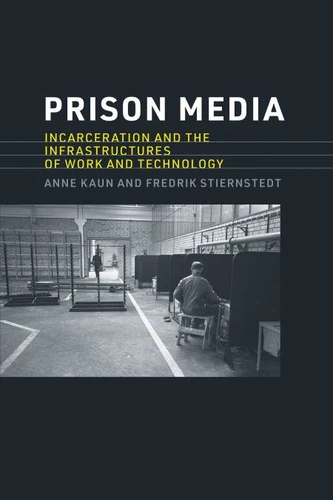
Prison Media. Incarceration and the Infrastructures of Work and Technology
Par : ,Formats :
Disponible dans votre compte client Decitre ou Furet du Nord dès validation de votre commande. Le format ePub protégé est :
- Compatible avec une lecture sur My Vivlio (smartphone, tablette, ordinateur)
- Compatible avec une lecture sur liseuses Vivlio
- Pour les liseuses autres que Vivlio, vous devez utiliser le logiciel Adobe Digital Edition. Non compatible avec la lecture sur les liseuses Kindle, Remarkable et Sony
- Non compatible avec un achat hors France métropolitaine
 , qui est-ce ?
Notre partenaire de plateforme de lecture numérique où vous retrouverez l'ensemble de vos ebooks gratuitement
Pour en savoir plus sur nos ebooks, consultez notre aide en ligne ici
C'est si simple ! Lisez votre ebook avec l'app Vivlio sur votre tablette, mobile ou ordinateur :

- Nombre de pages208
- FormatePub
- ISBN978-0-262-37433-0
- EAN9780262374330
- Date de parution09/05/2023
- Protection num.Adobe DRM
- Taille16 Mo
- Infos supplémentairesepub
- ÉditeurThe MIT Press
Résumé
How prisoners serve as media laborers, while the prison serves as a testing ground for new media technologies. Prisons are not typically known for cutting-edge media technologies. Yet from photography in the nineteenth century to AI-enhanced tracking cameras today, there is a long history of prisons being used as a testing ground for technologies that are later adopted by the general public. If we recognize the prison as a central site for the development of media technologies, how might that change our understanding of both media systems and carceral systems? Prison Media foregrounds the ways in which the prison is a model space for the control and transmission of information, a place where media is produced, and a medium in its own right.
Examining the relationship between media and prison architecture, as surveillance and communication technologies are literally built into the facilities, this study also considers the ways in which prisoners themselves often do hard labor as media workers-labor that contributes in direct and indirect ways to the latest technologies developed and sold by multinational corporations like Amazon. There is a fine line between ankle monitors and Fitbits, and Prison Media helps us make sense of today's carceral society.
Examining the relationship between media and prison architecture, as surveillance and communication technologies are literally built into the facilities, this study also considers the ways in which prisoners themselves often do hard labor as media workers-labor that contributes in direct and indirect ways to the latest technologies developed and sold by multinational corporations like Amazon. There is a fine line between ankle monitors and Fitbits, and Prison Media helps us make sense of today's carceral society.