SOLDES
Jusqu'à -70% sur une sélection d'articles*

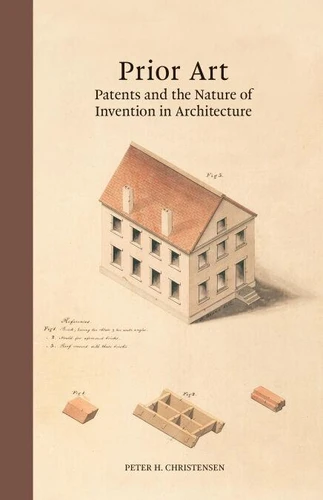
Prior Art. Patents and the Nature of Invention in Architecture
Par :Formats :
Disponible dans votre compte client Decitre ou Furet du Nord dès validation de votre commande. Le format ePub protégé est :
- Compatible avec une lecture sur My Vivlio (smartphone, tablette, ordinateur)
- Compatible avec une lecture sur liseuses Vivlio
- Pour les liseuses autres que Vivlio, vous devez utiliser le logiciel Adobe Digital Edition. Non compatible avec la lecture sur les liseuses Kindle, Remarkable et Sony
- Non compatible avec un achat hors France métropolitaine
 , qui est-ce ?
Notre partenaire de plateforme de lecture numérique où vous retrouverez l'ensemble de vos ebooks gratuitement
Pour en savoir plus sur nos ebooks, consultez notre aide en ligne ici
C'est si simple ! Lisez votre ebook avec l'app Vivlio sur votre tablette, mobile ou ordinateur :

- Nombre de pages400
- FormatePub
- ISBN978-0-262-37835-2
- EAN9780262378352
- Date de parution07/05/2024
- Protection num.Adobe DRM
- Taille6 Mo
- Infos supplémentairesepub
- ÉditeurThe MIT Press
Résumé
A groundbreaking text on the history of the use of patents in architecture. Although patents existed in Renaissance Italy and even in Confucian thought, it was not until the middle third of the nineteenth century that architects embraced the practice of patenting in significant numbers. Patents could ensure, as they did for architects' engineering brethren, the economic and cultural benefits afforded by exclusive intellectual property rights.
But patent culture was never directly translatable to the field of architecture, which tended to negotiate issues of technological innovation in the context of the more abstract issues of artistic influence and formal expression. In Prior Art, scholar Peter Christensen offers the first full-scale monographic treatment of this complex relationship between art and invention. Christensen's method, a site-oriented approach steeped in multinational and multilingual archival work, is geared toward unifying fractured global histories of architectural patents through the distinct union of architectural, cultural, and legal history.
Prior Art offers a record of the marriage of intellectual property and architectural invention-a momentous, understudied, and still underutilized aspect of architectural culture in the nineteenth and twentieth centuries-and the ways in which it influenced how buildings are conceived, designed, engineered, constructed, and promoted.
But patent culture was never directly translatable to the field of architecture, which tended to negotiate issues of technological innovation in the context of the more abstract issues of artistic influence and formal expression. In Prior Art, scholar Peter Christensen offers the first full-scale monographic treatment of this complex relationship between art and invention. Christensen's method, a site-oriented approach steeped in multinational and multilingual archival work, is geared toward unifying fractured global histories of architectural patents through the distinct union of architectural, cultural, and legal history.
Prior Art offers a record of the marriage of intellectual property and architectural invention-a momentous, understudied, and still underutilized aspect of architectural culture in the nineteenth and twentieth centuries-and the ways in which it influenced how buildings are conceived, designed, engineered, constructed, and promoted.