SOLDES
Jusqu'à -70% sur une sélection d'articles*

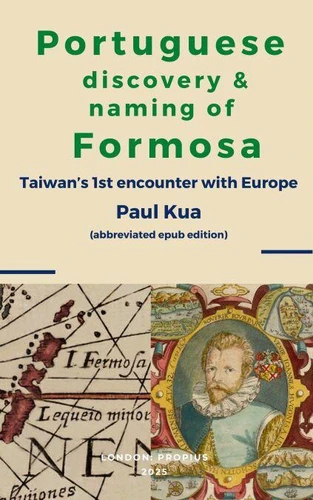
Portuguese discovery and naming of Formosa
Par :Formats :
Disponible dans votre compte client Decitre ou Furet du Nord dès validation de votre commande. Le format ePub est :
- Compatible avec une lecture sur My Vivlio (smartphone, tablette, ordinateur)
- Compatible avec une lecture sur liseuses Vivlio
- Pour les liseuses autres que Vivlio, vous devez utiliser le logiciel Adobe Digital Edition. Non compatible avec la lecture sur les liseuses Kindle, Remarkable et Sony
 , qui est-ce ?
Notre partenaire de plateforme de lecture numérique où vous retrouverez l'ensemble de vos ebooks gratuitement
Pour en savoir plus sur nos ebooks, consultez notre aide en ligne ici
C'est si simple ! Lisez votre ebook avec l'app Vivlio sur votre tablette, mobile ou ordinateur :

- FormatePub
- ISBN8232023652
- EAN9798232023652
- Date de parution07/11/2025
- Protection num.pas de protection
- Infos supplémentairesepub
- ÉditeurDraft2Digital
Résumé
This eBook in EPUB format, Portuguese Discovery and Naming of Formosa: Taiwan's first encounter with Europe, is abbreviated and modified, targeting general readers who have an interest in this topic. It reviews the history of the discovery and naming of the Island of Formosa, better known to most modern readers as Taiwan, by the first Europeans in the sixteenth century. The legend that Portuguese sailors in the sixteenth century were the first Europeans to discover Taiwan and call it Formosa has a long history and is well-known to many, though typically also embellished with colorful and sometimes conflicting details.
But, recently, some historians in Taiwan rejected this legend and claimed that it was, in fact, the Spanish navigator Francisco Gali who had named the island in 1584. This study examines relevant rutters (or sailing instructions), maps and other primary documents, mostly in Portuguese and Dutch, re-constructs the history of Formosa's "discovery" and "naming", in the hope of eliminating historically erroneous claims and moving us closer to an informed consensus on the matter.
But, recently, some historians in Taiwan rejected this legend and claimed that it was, in fact, the Spanish navigator Francisco Gali who had named the island in 1584. This study examines relevant rutters (or sailing instructions), maps and other primary documents, mostly in Portuguese and Dutch, re-constructs the history of Formosa's "discovery" and "naming", in the hope of eliminating historically erroneous claims and moving us closer to an informed consensus on the matter.