SOLDES
Jusqu'à -70% sur une sélection d'articles*

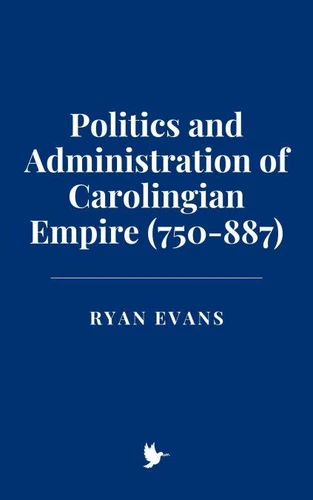
Politics and Administration of Carolingian Empire (750-887)
Par :Formats :
Disponible dans votre compte client Decitre ou Furet du Nord dès validation de votre commande. Le format ePub est :
- Compatible avec une lecture sur My Vivlio (smartphone, tablette, ordinateur)
- Compatible avec une lecture sur liseuses Vivlio
- Pour les liseuses autres que Vivlio, vous devez utiliser le logiciel Adobe Digital Edition. Non compatible avec la lecture sur les liseuses Kindle, Remarkable et Sony
 , qui est-ce ?
Notre partenaire de plateforme de lecture numérique où vous retrouverez l'ensemble de vos ebooks gratuitement
Pour en savoir plus sur nos ebooks, consultez notre aide en ligne ici
C'est si simple ! Lisez votre ebook avec l'app Vivlio sur votre tablette, mobile ou ordinateur :

- FormatePub
- ISBN8230249627
- EAN9798230249627
- Date de parution23/01/2025
- Protection num.pas de protection
- Infos supplémentairesepub
- ÉditeurIndependently Published
Résumé
This book provides a comprehensive analysis of the Carolingian Empire, exploring its political, cultural, military, and social dimensions under Charlemagne and his successors. The narrative begins by examining the empire's foundation, the centralization of power during Charlemagne's reign, and the role of the nobility and church in shaping Carolingian governance. It delves into the administrative innovations that characterized the empire, including the missi dominici system, and the integration of Christian principles into law and governance.
Through an exploration of Charlemagne's legal reforms, military strategies, and diplomatic efforts, the book highlights how the Carolingian Empire sought to balance imperial authority with local autonomy. The text also addresses the Carolingian Renaissance, focusing on Charlemagne's patronage of learning, the revival of classical scholarship, and the artistic and intellectual flourishing that defined the period.
As the empire fractured after Charlemagne's death, the book traces the political fragmentation and the rise of feudalism, demonstrating how the decentralization of power and the growing influence of local lords and the church reshaped the European political landscape. The decline of centralized authority is analyzed in depth, with attention given to the impact of Viking and Magyar invasions, internal rebellions, and dynastic struggles.
Finally, the book reflects on the enduring legacy of the Carolingian Empire, arguing that despite its collapse, Charlemagne's vision of a Christian empire, the legal and administrative systems he implemented, and the cultural revival he sponsored continued to influence medieval Europe for centuries. Through this thorough exploration, the book offers insight into the rise and fall of one of the most significant empires in European history and the lasting imprint it left on the political, social, and intellectual development of the continent.
Through an exploration of Charlemagne's legal reforms, military strategies, and diplomatic efforts, the book highlights how the Carolingian Empire sought to balance imperial authority with local autonomy. The text also addresses the Carolingian Renaissance, focusing on Charlemagne's patronage of learning, the revival of classical scholarship, and the artistic and intellectual flourishing that defined the period.
As the empire fractured after Charlemagne's death, the book traces the political fragmentation and the rise of feudalism, demonstrating how the decentralization of power and the growing influence of local lords and the church reshaped the European political landscape. The decline of centralized authority is analyzed in depth, with attention given to the impact of Viking and Magyar invasions, internal rebellions, and dynastic struggles.
Finally, the book reflects on the enduring legacy of the Carolingian Empire, arguing that despite its collapse, Charlemagne's vision of a Christian empire, the legal and administrative systems he implemented, and the cultural revival he sponsored continued to influence medieval Europe for centuries. Through this thorough exploration, the book offers insight into the rise and fall of one of the most significant empires in European history and the lasting imprint it left on the political, social, and intellectual development of the continent.
A propos de Ryan Evans


2,99 €


2,99 €


2,99 €


3,99 €

2,99 €
2,99 €