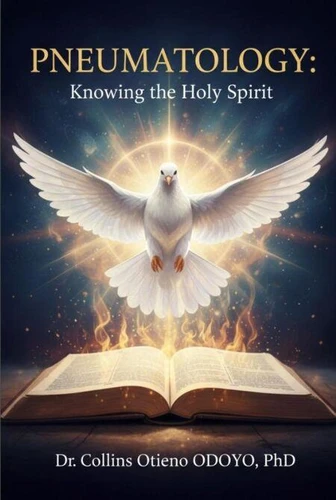
Pneumatology: Knowing the Holy Spirit invites readers into a transformative exploration of the Holy Spirit-often the least understood yet profoundly vital Person of the Trinity. Moving beyond abstract theology and doctrinal debates, the book presents the Spirit not as an impersonal force, but as a living, relational presence actively engaged in creation, redemption, and the daily life of believers.
Beginning with the biblical foundations of pneumatology, the book traces the Spirit's work from Genesis-where the breath of God hovered over the waters-to the powerful outpouring at Pentecost in Acts. It carefully unfolds the Spirit's progressive revelation throughout Scripture, demonstrating continuity between the Old and New Testaments. In the Old Testament, the Spirit empowers leaders, inspires prophets, and executes divine purposes.
In the New Testament, the Spirit's personhood and ministry are revealed more fully through the teachings of Jesus and the experience of the early church. This scriptural anchoring ensures that the study of the Holy Spirit remains grounded in reverent and faithful biblical interpretation. A central emphasis of the book is the personhood of the Holy Spirit. Rather than portraying the Spirit as a vague spiritual energy, it affirms the Spirit's intelligence, emotion, and will-characteristics that establish the Spirit as fully divine and relational.
This understanding reshapes the believer's approach to spirituality, inviting not mere intellectual assent but intimate fellowship. To know the Spirit personally is to encounter transformation, empowerment, comfort, conviction, and guidance. The book also bridges theology and lived experience. Spiritual gifts and the fruit of the Spirit are explored not as static doctrines but as dynamic expressions of divine activity within individuals and communities.
Contemporary theological discussions-such as the baptism of the Holy Spirit, the continuation or cessation of charismatic gifts, and the discernment of spiritual manifestations-are addressed with both scholarly depth and pastoral sensitivity. Rather than fueling division, these discussions aim to promote unity, clarity, and spiritual maturity. At its heart, Pneumatology: Knowing the Holy Spirit calls readers from theoretical knowledge to experiential relationship.
It challenges believers to embrace a Spirit-led life marked by holiness, love, mission, and daily dependence on divine guidance. The tone is warm and accessible, blending rigorous biblical scholarship, historical theology, and practical application. Reflection prompts and illustrative narratives enrich each chapter, encouraging personal engagement and spiritual growth. Ultimately, this book serves as both a theological guide and a spiritual companion.
It reassures readers that the Holy Spirit is not a distant mystery but an abiding Comforter and Counselor who infuses purpose into struggles and power into service. Through its pages, readers are invited to discover renewal, empowerment, and the profound reality that God's breath continues to animate, sustain, and transform every life open to His presence.
Pneumatology: Knowing the Holy Spirit invites readers into a transformative exploration of the Holy Spirit-often the least understood yet profoundly vital Person of the Trinity. Moving beyond abstract theology and doctrinal debates, the book presents the Spirit not as an impersonal force, but as a living, relational presence actively engaged in creation, redemption, and the daily life of believers.
Beginning with the biblical foundations of pneumatology, the book traces the Spirit's work from Genesis-where the breath of God hovered over the waters-to the powerful outpouring at Pentecost in Acts. It carefully unfolds the Spirit's progressive revelation throughout Scripture, demonstrating continuity between the Old and New Testaments. In the Old Testament, the Spirit empowers leaders, inspires prophets, and executes divine purposes.
In the New Testament, the Spirit's personhood and ministry are revealed more fully through the teachings of Jesus and the experience of the early church. This scriptural anchoring ensures that the study of the Holy Spirit remains grounded in reverent and faithful biblical interpretation. A central emphasis of the book is the personhood of the Holy Spirit. Rather than portraying the Spirit as a vague spiritual energy, it affirms the Spirit's intelligence, emotion, and will-characteristics that establish the Spirit as fully divine and relational.
This understanding reshapes the believer's approach to spirituality, inviting not mere intellectual assent but intimate fellowship. To know the Spirit personally is to encounter transformation, empowerment, comfort, conviction, and guidance. The book also bridges theology and lived experience. Spiritual gifts and the fruit of the Spirit are explored not as static doctrines but as dynamic expressions of divine activity within individuals and communities.
Contemporary theological discussions-such as the baptism of the Holy Spirit, the continuation or cessation of charismatic gifts, and the discernment of spiritual manifestations-are addressed with both scholarly depth and pastoral sensitivity. Rather than fueling division, these discussions aim to promote unity, clarity, and spiritual maturity. At its heart, Pneumatology: Knowing the Holy Spirit calls readers from theoretical knowledge to experiential relationship.
It challenges believers to embrace a Spirit-led life marked by holiness, love, mission, and daily dependence on divine guidance. The tone is warm and accessible, blending rigorous biblical scholarship, historical theology, and practical application. Reflection prompts and illustrative narratives enrich each chapter, encouraging personal engagement and spiritual growth. Ultimately, this book serves as both a theological guide and a spiritual companion.
It reassures readers that the Holy Spirit is not a distant mystery but an abiding Comforter and Counselor who infuses purpose into struggles and power into service. Through its pages, readers are invited to discover renewal, empowerment, and the profound reality that God's breath continues to animate, sustain, and transform every life open to His presence.

 , qui est-ce ?