SOLDES
Jusqu'à -70% sur une sélection d'articles*

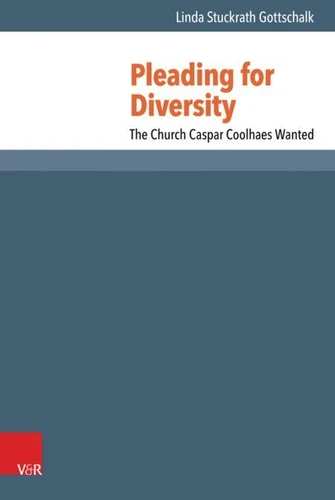
Pleading for Diversity. The Church Caspar Coolhaes Wanted
Par :Formats :
Disponible dans votre compte client Decitre ou Furet du Nord dès validation de votre commande. Le format PDF est :
- Compatible avec une lecture sur My Vivlio (smartphone, tablette, ordinateur)
- Compatible avec une lecture sur liseuses Vivlio
- Pour les liseuses autres que Vivlio, vous devez utiliser le logiciel Adobe Digital Edition. Non compatible avec la lecture sur les liseuses Kindle, Remarkable et Sony
 , qui est-ce ?
Notre partenaire de plateforme de lecture numérique où vous retrouverez l'ensemble de vos ebooks gratuitement
Pour en savoir plus sur nos ebooks, consultez notre aide en ligne ici
C'est si simple ! Lisez votre ebook avec l'app Vivlio sur votre tablette, mobile ou ordinateur :

- Nombre de pages314
- FormatPDF
- ISBN978-3-647-55280-4
- EAN9783647552804
- Date de parution11/09/2017
- Protection num.pas de protection
- Taille2 Mo
- Infos supplémentairespdf
- ÉditeurVandenhoeck & Ruprecht
Résumé
Coolhaes was a Reformed preacher, a writer of theology, a critic of the churches of his day, and an advocate of religious diversity. Coolhaes opposed much of the building up of the organization of the Reformed Church in the Northern Netherlands and Dutch Republic in the late sixteenth and early seventeenth centuries. The struggle between Coolhaes and the Leiden magistrates on one side and the Leiden consistory and fellow-preacher Pieter Cornelisz on the other encapsulated the question of authority which was being asked by many.
At the same time, Coolhaes' theology, especially his Spiritualistic understanding of the sacraments, his Erastianism, and his views on free will made him suspicious to his Reformed colleagues. The latter of which leading him later to be labeled »the forerunner of Arminius and the Remonstrants« . All this eventually led to his defrocking at the synod of Middelburg and soon after to excommunication from the Reformed Church.
The question this book answers, therefore, is: What sort of church would the critic Coolhaes himself have wanted to design for the new Republic?The first part of the book gives a new biographical sketch. Fresh information, sources, and un-examined works by Coolhaes himself have been uncovered since H. C. Rogge's nineteenth-century biography. In the second part the ecclesiology of Coolhaes takes center stage: His ideal church would have been characterized by diversity, for diversity of religious confessions in the same society would stabilize it and diversity of views even within a confession would not harm it.
At the same time, Coolhaes' theology, especially his Spiritualistic understanding of the sacraments, his Erastianism, and his views on free will made him suspicious to his Reformed colleagues. The latter of which leading him later to be labeled »the forerunner of Arminius and the Remonstrants« . All this eventually led to his defrocking at the synod of Middelburg and soon after to excommunication from the Reformed Church.
The question this book answers, therefore, is: What sort of church would the critic Coolhaes himself have wanted to design for the new Republic?The first part of the book gives a new biographical sketch. Fresh information, sources, and un-examined works by Coolhaes himself have been uncovered since H. C. Rogge's nineteenth-century biography. In the second part the ecclesiology of Coolhaes takes center stage: His ideal church would have been characterized by diversity, for diversity of religious confessions in the same society would stabilize it and diversity of views even within a confession would not harm it.
