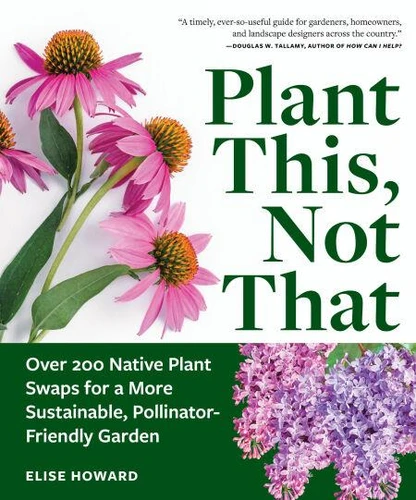
Plant This, Not That. Over 200 Native Plant Swaps for a More Sustainable, Pollinator-Friendly Garden
Par :Formats :
Disponible dans votre compte client Decitre ou Furet du Nord dès validation de votre commande. Le format ePub protégé est :
- Compatible avec une lecture sur My Vivlio (smartphone, tablette, ordinateur)
- Compatible avec une lecture sur liseuses Vivlio
- Pour les liseuses autres que Vivlio, vous devez utiliser le logiciel Adobe Digital Edition. Non compatible avec la lecture sur les liseuses Kindle, Remarkable et Sony
- Non compatible avec un achat hors France métropolitaine
 , qui est-ce ?
Notre partenaire de plateforme de lecture numérique où vous retrouverez l'ensemble de vos ebooks gratuitement
Pour en savoir plus sur nos ebooks, consultez notre aide en ligne ici
C'est si simple ! Lisez votre ebook avec l'app Vivlio sur votre tablette, mobile ou ordinateur :

- Nombre de pages264
- FormatePub
- ISBN978-1-5235-3626-9
- EAN9781523536269
- Date de parution03/03/2026
- Protection num.Adobe DRM
- Infos supplémentairesepub
- ÉditeurWorkman Publishing Company
Résumé
A comprehensive guide to creating a native plant garden anywhere in the contiguous United States, with an easy-to-follow, "this, not that" format, as featured in the New York Times! "A timely, ever-so-useful guide" -Douglas W. Tallamy, author of Nature's Best Hope These days, home gardeners know that many traditional, non-native garden plants-like English ivy, barberry, and burning bush-don't support our bees, butterflies, birds, and other creatures.
And that native plants are more likely to thrive, because they evolved as part of the local ecology, so they often require less fussy maintenance and don't depend on pesticides and fertilizers. But gardeners ready to make the switch may ask: Where do I begin? And how do I find the best native plants for my landscape? Plant This, Not That considers some of the most common non-native (and often, invasive) plants in North American gardens and suggests substitutions for more beneficial and equally beautiful natives.
Each native plant listing includes a full-color photo, along with sun, water, and soil requirements; ornamental features (including bloom time and color and whether the plant has berries, fruit, and/or fall color); and the pollinators known to depend on and support that plant. Accompanying maps show every plant's locally native range, down to the county level. The book also features an overview of how native plants contribute to our local ecosystems, where to shop for them, advice on maintaining a mostly native garden, and resources to learn more about native planting.
And that native plants are more likely to thrive, because they evolved as part of the local ecology, so they often require less fussy maintenance and don't depend on pesticides and fertilizers. But gardeners ready to make the switch may ask: Where do I begin? And how do I find the best native plants for my landscape? Plant This, Not That considers some of the most common non-native (and often, invasive) plants in North American gardens and suggests substitutions for more beneficial and equally beautiful natives.
Each native plant listing includes a full-color photo, along with sun, water, and soil requirements; ornamental features (including bloom time and color and whether the plant has berries, fruit, and/or fall color); and the pollinators known to depend on and support that plant. Accompanying maps show every plant's locally native range, down to the county level. The book also features an overview of how native plants contribute to our local ecosystems, where to shop for them, advice on maintaining a mostly native garden, and resources to learn more about native planting.