SOLDES
Jusqu'à -70% sur une sélection d'articles*

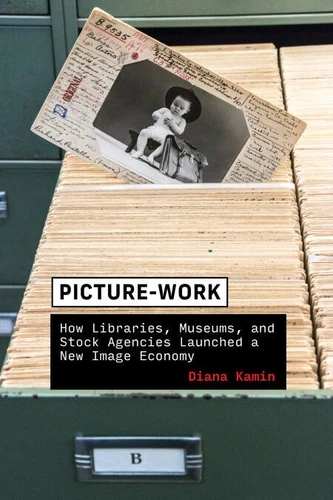
Picture-Work. How Libraries, Museums, and Stock Agencies Launched a New Image Economy
Par :Formats :
Disponible dans votre compte client Decitre ou Furet du Nord dès validation de votre commande. Le format ePub protégé est :
- Compatible avec une lecture sur My Vivlio (smartphone, tablette, ordinateur)
- Compatible avec une lecture sur liseuses Vivlio
- Pour les liseuses autres que Vivlio, vous devez utiliser le logiciel Adobe Digital Edition. Non compatible avec la lecture sur les liseuses Kindle, Remarkable et Sony
- Non compatible avec un achat hors France métropolitaine
 , qui est-ce ?
Notre partenaire de plateforme de lecture numérique où vous retrouverez l'ensemble de vos ebooks gratuitement
Pour en savoir plus sur nos ebooks, consultez notre aide en ligne ici
C'est si simple ! Lisez votre ebook avec l'app Vivlio sur votre tablette, mobile ou ordinateur :

- Nombre de pages324
- FormatePub
- ISBN978-0-262-37703-4
- EAN9780262377034
- Date de parution21/11/2023
- Protection num.Adobe DRM
- Taille50 Mo
- Infos supplémentairesepub
- ÉditeurThe MIT Press
Résumé
How the image collection, organized and made available for public consumption, came to define a key feature of contemporary visual culture. The origins of today's kaleidoscopic digital visual culture are many. In this book, Diana Kamin traces the sharing of photographs to an image economy developed throughout the twentieth century by major institutions. Picture-Work examines how three of these institutions-the New York Public Library, the Museum of Modern Art, and the stock agency H.
Armstrong Roberts Inc.-defined the public's understanding of what the photographic image is, while building vast collections with universalizing ambitions. Highlighting underexplored figures, such as the first rights and reproduction manager at MoMA Pearl Moeller and visionary NYPL librarian Romana Javitz, and underexplored professional practices, Diana Kamin demonstrates how bureaucratic work communicates ideas about images to the public.
Kamin artfully shows how the public interfaces with these image collections through systems of classification and protocols of search and retrieval. These interactions, in turn, shape contemporary image culture, including concepts of authorship, art, property, and value, as well as logics of indexing, tagging, and hyperlinking. Together, these interactions have forged a concept of the image as alienable content, which has intensified with the advent of digital techniques for managing image collections.
To survey the complicated process of digitization in the nineties and early aughts, Kamin also includes interviews with photographers, digital asset management system designers, librarians, and artists on their working practices.
Armstrong Roberts Inc.-defined the public's understanding of what the photographic image is, while building vast collections with universalizing ambitions. Highlighting underexplored figures, such as the first rights and reproduction manager at MoMA Pearl Moeller and visionary NYPL librarian Romana Javitz, and underexplored professional practices, Diana Kamin demonstrates how bureaucratic work communicates ideas about images to the public.
Kamin artfully shows how the public interfaces with these image collections through systems of classification and protocols of search and retrieval. These interactions, in turn, shape contemporary image culture, including concepts of authorship, art, property, and value, as well as logics of indexing, tagging, and hyperlinking. Together, these interactions have forged a concept of the image as alienable content, which has intensified with the advent of digital techniques for managing image collections.
To survey the complicated process of digitization in the nineties and early aughts, Kamin also includes interviews with photographers, digital asset management system designers, librarians, and artists on their working practices.