SOLDES
Jusqu'à -70% sur une sélection d'articles*
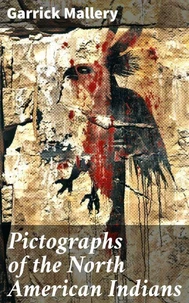
Pictographs of the North American Indians
Par :Formats :
Disponible dans votre compte client Decitre ou Furet du Nord dès validation de votre commande. Le format ePub est :
- Compatible avec une lecture sur My Vivlio (smartphone, tablette, ordinateur)
- Compatible avec une lecture sur liseuses Vivlio
- Pour les liseuses autres que Vivlio, vous devez utiliser le logiciel Adobe Digital Edition. Non compatible avec la lecture sur les liseuses Kindle, Remarkable et Sony
 , qui est-ce ?
Notre partenaire de plateforme de lecture numérique où vous retrouverez l'ensemble de vos ebooks gratuitement
Pour en savoir plus sur nos ebooks, consultez notre aide en ligne ici
C'est si simple ! Lisez votre ebook avec l'app Vivlio sur votre tablette, mobile ou ordinateur :

- Nombre de pages243
- FormatePub
- ISBN859-65--4740129-2
- EAN8596547401292
- Date de parution13/11/2022
- Protection num.Digital Watermarking
- Taille9 Mo
- Infos supplémentairesepub
- ÉditeurDIGICAT
Résumé
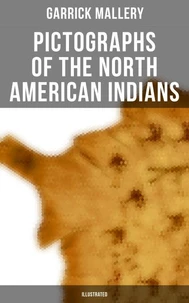
In "Pictographs of the North American Indians, " Garrick Mallery presents a remarkable and comprehensive exploration of the visual language of Indigenous peoples through a meticulous examination of rock art and pictographs across North America. Mallery adopts a meticulous, scholarly style that is both descriptive and analytical, weaving together ethnographic detail with historical context to interpret the significance of these symbols.
His work situates itself within the burgeoning field of American anthropology in the late 19th century, illuminating the rich cultural heritage of Native American tribes while advocating for the preservation of their artistic expressions. Garrick Mallery, an esteemed ethnographer and archaeologist, was particularly influenced by the shifting cultural landscapes of his time, including the encroachment of Western expansion on Indigenous lands.
His dedication to documenting these art forms stemmed from his belief in their intrinsic value, not only as artistic expressions but also as crucial historical records of the beliefs, practices, and social structures of Indigenous societies. Mallery's work reflects his broader commitment to preserving American Indian culture amidst rapid change and loss. This book is highly recommended for scholars, students, and anyone interested in the intersection of art, anthropology, and history.
Mallery's evocative prose, coupled with his thoughtful interpretations, ensures that readers gain a deeper appreciation for the relevance of pictographs in conveying the rich narratives of North America's Indigenous peoples.
His work situates itself within the burgeoning field of American anthropology in the late 19th century, illuminating the rich cultural heritage of Native American tribes while advocating for the preservation of their artistic expressions. Garrick Mallery, an esteemed ethnographer and archaeologist, was particularly influenced by the shifting cultural landscapes of his time, including the encroachment of Western expansion on Indigenous lands.
His dedication to documenting these art forms stemmed from his belief in their intrinsic value, not only as artistic expressions but also as crucial historical records of the beliefs, practices, and social structures of Indigenous societies. Mallery's work reflects his broader commitment to preserving American Indian culture amidst rapid change and loss. This book is highly recommended for scholars, students, and anyone interested in the intersection of art, anthropology, and history.
Mallery's evocative prose, coupled with his thoughtful interpretations, ensures that readers gain a deeper appreciation for the relevance of pictographs in conveying the rich narratives of North America's Indigenous peoples.
A propos de Garrick Mallery

1,99 €