SOLDES
Jusqu'à -70% sur une sélection d'articles*

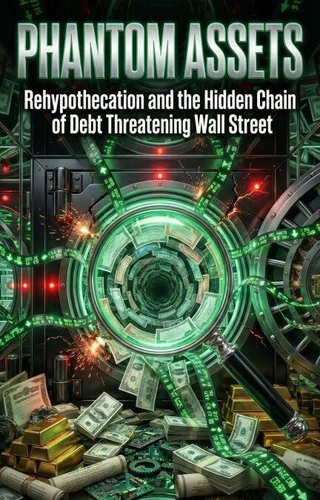
Phantom Assets. Rehypothecation and the Hidden Chain of Debt Threatening Wall Street
Par :Formats :
Disponible dans votre compte client Decitre ou Furet du Nord dès validation de votre commande. Le format ePub est :
- Compatible avec une lecture sur My Vivlio (smartphone, tablette, ordinateur)
- Compatible avec une lecture sur liseuses Vivlio
- Pour les liseuses autres que Vivlio, vous devez utiliser le logiciel Adobe Digital Edition. Non compatible avec la lecture sur les liseuses Kindle, Remarkable et Sony
 , qui est-ce ?
Notre partenaire de plateforme de lecture numérique où vous retrouverez l'ensemble de vos ebooks gratuitement
Pour en savoir plus sur nos ebooks, consultez notre aide en ligne ici
C'est si simple ! Lisez votre ebook avec l'app Vivlio sur votre tablette, mobile ou ordinateur :

- Nombre de pages191
- FormatePub
- ISBN978-3-565-29360-5
- EAN9783565293605
- Date de parution04/03/2026
- Protection num.pas de protection
- Taille927 Ko
- Infos supplémentairesepub
- ÉditeurEmphaloz Publishing House
Résumé
When you deposit money into a bank, you understand that the bank lends it out. But what happens when hedge funds and massive investment banks pledge collateral-like Treasury bonds or corporate stocks-to secure a loan, and the lender then uses that exact same collateral to secure their own loan with someone else? This financial cloning process is known as rehypothecation, and it is the shadow engine of modern Wall Street liquidity.
In the unregulated offshore markets, a single high-quality asset can be repledged multiple times, creating a towering, inverted pyramid of debt resting on a tiny fraction of actual, tangible collateral.
On paper, the market looks flush with trillions of dollars in liquidity. In reality, multiple financial institutions claim ownership of the exact same asset. If a panic occurs and investors demand their collateral back, the entire chain implodes simultaneously. This rigorous macroeconomic analysis exposes the dangerous mechanics of the shadow banking system. It breaks down the complex legal loopholes that allow banks to artificially inflate their balance sheets, warning of the systemic vulnerability inherent in a market where the same dollar is promised to five different people.
On paper, the market looks flush with trillions of dollars in liquidity. In reality, multiple financial institutions claim ownership of the exact same asset. If a panic occurs and investors demand their collateral back, the entire chain implodes simultaneously. This rigorous macroeconomic analysis exposes the dangerous mechanics of the shadow banking system. It breaks down the complex legal loopholes that allow banks to artificially inflate their balance sheets, warning of the systemic vulnerability inherent in a market where the same dollar is promised to five different people.