
STEVE N. G. HOWELL is an international bird tour leader with WINGS and a popular speaker and trip leader at birding festivals. He has been watching birds for as long as he can remember. Steve has authored numerous books and articles, mainly about birds, and the common thread to his life is that birding should be fun.
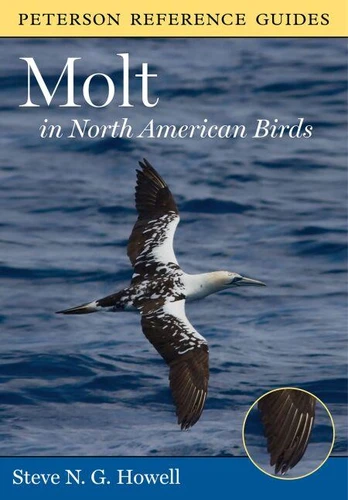
Peterson Reference Guide To Molt In North American Birds
Par :Formats :
Disponible dans votre compte client Decitre ou Furet du Nord dès validation de votre commande. Le format ePub protégé est :
- Compatible avec une lecture sur My Vivlio (smartphone, tablette, ordinateur)
- Compatible avec une lecture sur liseuses Vivlio
- Pour les liseuses autres que Vivlio, vous devez utiliser le logiciel Adobe Digital Edition. Non compatible avec la lecture sur les liseuses Kindle, Remarkable et Sony
- Non compatible avec un achat hors France métropolitaine
 , qui est-ce ?
Notre partenaire de plateforme de lecture numérique où vous retrouverez l'ensemble de vos ebooks gratuitement
Pour en savoir plus sur nos ebooks, consultez notre aide en ligne ici
C'est si simple ! Lisez votre ebook avec l'app Vivlio sur votre tablette, mobile ou ordinateur :

- Nombre de pages280
- FormatePub
- ISBN978-0-547-48769-4
- EAN9780547487694
- Date de parution24/06/2014
- Protection num.Adobe DRM
- Infos supplémentairesepub
- ÉditeurMariner Books
Résumé
To most observers, molt seems an overwhelming subject. But birders use many aspects of molt more than they realize-to distinguish juvenile birds from adults, to pick out an individual hummingbird from among dozens visiting a feeder, and much more. And for those whose interest goes beyond simply identifying birds, questions such as What triggers molt to start? How fast do feathers grow? and How long do they last? offer a fascinating window into the lives of birds.
Put plainly, molt relates in some way to everything a bird does, including where it lives, what it eats, and how far it migrates. Here, for the first time, molt is presented for the nonscientist. Molt is very orderly and built on only four underlying strategies: simple basic, complex basic, simple alternate, and complex alternate. This book clearly lays out these strategies, relates them to aspects of life history, such as habitat and migration, and makes this important subject accessible.
Put plainly, molt relates in some way to everything a bird does, including where it lives, what it eats, and how far it migrates. Here, for the first time, molt is presented for the nonscientist. Molt is very orderly and built on only four underlying strategies: simple basic, complex basic, simple alternate, and complex alternate. This book clearly lays out these strategies, relates them to aspects of life history, such as habitat and migration, and makes this important subject accessible.
A propos de Steve N. G. Howell
Guide photo des oiseaux marins du monde
Grand Format
39,00 €