SOLDES
Jusqu'à -70% sur une sélection d'articles*

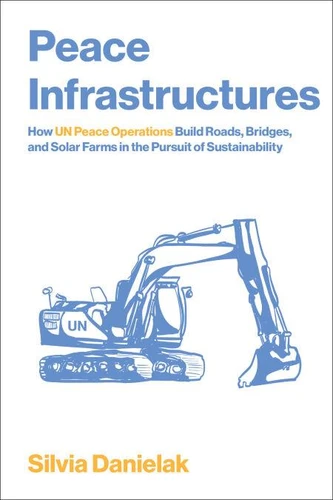
Peace Infrastructures. How UN Peace Operations Build Roads, Bridges, and Solar Farms in the Pursuit of Sustainability
Par :Formats :
Disponible dans votre compte client Decitre ou Furet du Nord dès validation de votre commande. Le format ePub protégé est :
- Compatible avec une lecture sur My Vivlio (smartphone, tablette, ordinateur)
- Compatible avec une lecture sur liseuses Vivlio
- Pour les liseuses autres que Vivlio, vous devez utiliser le logiciel Adobe Digital Edition. Non compatible avec la lecture sur les liseuses Kindle, Remarkable et Sony
- Non compatible avec un achat hors France métropolitaine
 , qui est-ce ?
Notre partenaire de plateforme de lecture numérique où vous retrouverez l'ensemble de vos ebooks gratuitement
Pour en savoir plus sur nos ebooks, consultez notre aide en ligne ici
C'est si simple ! Lisez votre ebook avec l'app Vivlio sur votre tablette, mobile ou ordinateur :

- Nombre de pages242
- FormatePub
- ISBN978-0-262-38512-1
- EAN9780262385121
- Date de parution14/04/2026
- Protection num.Adobe DRM
- Taille1 Mo
- Infos supplémentairesepub
- ÉditeurThe MIT Press
Résumé
The first comprehensive account of infrastructure building in United Nations peace operations. Roads, bridges, a renewable power plant, and an electricity grid: UN peacekeepers might be unusual infrastructure builders, but they're certainly not unambitious. Since the beginning of the UN's peacekeeping activities after the end of World War II, the Blue Helmets have cemented streets, constructed bridges, and dug wells in conflict zones.
But how did the military arm of the world's primary diplomatic forum become involved in such activities in its quest for peace, and with what consequences? Peace Infrastructures analyzes the turn to ever-more-complex infrastructure projects, from early road building via urban community projects to the commissioning of entire renewable power plants, in the context of an evolving understanding of peace "problems" and solutions.
Tracing the global travel of policies, technologies, and expertise, Silvia Danielak investigates how the shift toward risk management, legacy, and climate security was driven by, and materialized in, conflict zones, shaping the very idea of peace. The book critically engages with the UN's ambition to insert itself in the sustainable development of the countries it seeks to assist, arguing that we need to consider peace operations' spatial, urban, and material ways of engagement-especially in the face of mounting climate risks.
Infrastructure is poised to take a more prominent position within peace operations, but a more nuanced understanding that recognizes its opportunities, as well as its potential for violence, is required.
But how did the military arm of the world's primary diplomatic forum become involved in such activities in its quest for peace, and with what consequences? Peace Infrastructures analyzes the turn to ever-more-complex infrastructure projects, from early road building via urban community projects to the commissioning of entire renewable power plants, in the context of an evolving understanding of peace "problems" and solutions.
Tracing the global travel of policies, technologies, and expertise, Silvia Danielak investigates how the shift toward risk management, legacy, and climate security was driven by, and materialized in, conflict zones, shaping the very idea of peace. The book critically engages with the UN's ambition to insert itself in the sustainable development of the countries it seeks to assist, arguing that we need to consider peace operations' spatial, urban, and material ways of engagement-especially in the face of mounting climate risks.
Infrastructure is poised to take a more prominent position within peace operations, but a more nuanced understanding that recognizes its opportunities, as well as its potential for violence, is required.