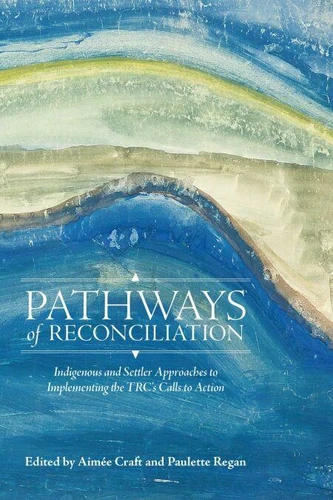
Pathways of Reconciliation. Indigenous and Settler Approaches to Implementing the TRC's Calls to Action
Par : ,Formats :
Disponible dans votre compte client Decitre ou Furet du Nord dès validation de votre commande. Le format ePub est :
- Compatible avec une lecture sur My Vivlio (smartphone, tablette, ordinateur)
- Compatible avec une lecture sur liseuses Vivlio
- Pour les liseuses autres que Vivlio, vous devez utiliser le logiciel Adobe Digital Edition. Non compatible avec la lecture sur les liseuses Kindle, Remarkable et Sony
 , qui est-ce ?
Notre partenaire de plateforme de lecture numérique où vous retrouverez l'ensemble de vos ebooks gratuitement
Pour en savoir plus sur nos ebooks, consultez notre aide en ligne ici
C'est si simple ! Lisez votre ebook avec l'app Vivlio sur votre tablette, mobile ou ordinateur :

- Nombre de pages336
- FormatePub
- ISBN978-0-88755-855-9
- EAN9780887558559
- Date de parution29/05/2020
- Protection num.Digital Watermarking
- Taille2 Mo
- Infos supplémentairesepub
- ÉditeurUniversity of Manitoba Press
Résumé
Since the Truth and Reconciliation Commission released its Calls to Action in June 2015, governments, churches, non-profit, professional and community organizations, corporations, schools and universities, clubs and individuals have asked: "How can I/we participate in reconciliation?"
Recognizing that reconciliation is not only an ultimate goal, but a decolonizing process of journeying in ways that embody everyday acts of resistance, resurgence, and solidarity, coupled with renewed commitments to justice, dialogue, and relationship-building, Pathways of Reconciliation helps readers find their way forward.
The essays in Pathways of Reconciliation address the themes of reframing, learning and healing, researching, and living.
They engage with different approaches to reconciliation (within a variety of reconciliation frameworks, either explicit or implicit) and illustrate the complexities of the reconciliation process itself. They canvass multiple and varied pathways of reconciliation, from Indigenous and non-Indigenous perspectives, reflecting a diversity of approaches to the mandate given to all Canadians by the TRC with its Calls to Action. Together the authors-academics, practitioners, students and ordinary citizens-demonstrate the importance of trying and learning from new and creative approaches to thinking about and practicing reconciliation and reflect on what they have learned from their attempts (both successful and less successful) in the process.
They engage with different approaches to reconciliation (within a variety of reconciliation frameworks, either explicit or implicit) and illustrate the complexities of the reconciliation process itself. They canvass multiple and varied pathways of reconciliation, from Indigenous and non-Indigenous perspectives, reflecting a diversity of approaches to the mandate given to all Canadians by the TRC with its Calls to Action. Together the authors-academics, practitioners, students and ordinary citizens-demonstrate the importance of trying and learning from new and creative approaches to thinking about and practicing reconciliation and reflect on what they have learned from their attempts (both successful and less successful) in the process.