SOLDES
Jusqu'à -70% sur une sélection d'articles*

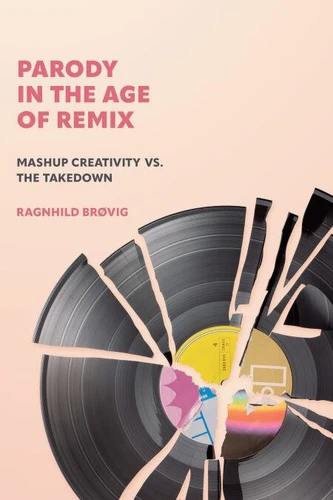
Parody in the Age of Remix. Mashup Creativity vs. the Takedown
Par :Formats :
Disponible dans votre compte client Decitre ou Furet du Nord dès validation de votre commande. Le format ePub protégé est :
- Compatible avec une lecture sur My Vivlio (smartphone, tablette, ordinateur)
- Compatible avec une lecture sur liseuses Vivlio
- Pour les liseuses autres que Vivlio, vous devez utiliser le logiciel Adobe Digital Edition. Non compatible avec la lecture sur les liseuses Kindle, Remarkable et Sony
- Non compatible avec un achat hors France métropolitaine
 , qui est-ce ?
Notre partenaire de plateforme de lecture numérique où vous retrouverez l'ensemble de vos ebooks gratuitement
Pour en savoir plus sur nos ebooks, consultez notre aide en ligne ici
C'est si simple ! Lisez votre ebook avec l'app Vivlio sur votre tablette, mobile ou ordinateur :

- Nombre de pages328
- FormatePub
- ISBN978-0-262-37411-8
- EAN9780262374118
- Date de parution27/06/2023
- Protection num.Adobe DRM
- Taille617 Ko
- Infos supplémentairesepub
- ÉditeurThe MIT Press
Résumé
The art of mashup music, its roots in parody, and its social and legal implications. Parody needn't recognize copyright-but does an algorithm recognize parody? The ever-increasing popularity of remix culture and mashup music, where parody is invariably at play, presents a conundrum for internet platforms, with their extensive automatic, algorithmic policing of content. Taking a wide-ranging look at mashup music-the creative and technical considerations that go into making it; the experience of play, humor, enlightenment, and beauty it affords; and the social and legal issues it presents-Parody in the Age of Remix offers a pointed critique of how society balances the act of regulating art with the act of preserving it.
In several jurisdictions, national and international, parody is exempted from copyright laws. Ragnhild Brøvig contends that mashups should be understood as a form of parody, and thus be protected from removal from hosting platforms. Nonetheless, current copyright-related content-moderation regimes, relying on algorithmic detection and automated decision making, frequently eliminate what might otherwise be deemed gray-area content-to the detriment of human listeners and, especially, artists.
Given the inaccuracy of takedowns, Parody in the Age of Remix makes a persuasive argument in favor of greater protection for remix creativity in the future-but it also suggests that the content-moderation challenges facing mashup producers and other remixers are symptomatic of larger societal issues.
In several jurisdictions, national and international, parody is exempted from copyright laws. Ragnhild Brøvig contends that mashups should be understood as a form of parody, and thus be protected from removal from hosting platforms. Nonetheless, current copyright-related content-moderation regimes, relying on algorithmic detection and automated decision making, frequently eliminate what might otherwise be deemed gray-area content-to the detriment of human listeners and, especially, artists.
Given the inaccuracy of takedowns, Parody in the Age of Remix makes a persuasive argument in favor of greater protection for remix creativity in the future-but it also suggests that the content-moderation challenges facing mashup producers and other remixers are symptomatic of larger societal issues.