SOLDES
Jusqu'à -70% sur une sélection d'articles*

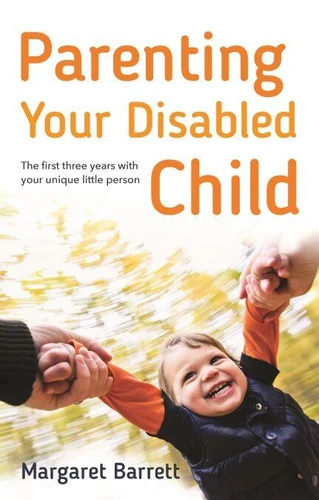
Parenting Your Disabled Child. The First Three Years
Par :Formats :
Disponible dans votre compte client Decitre ou Furet du Nord dès validation de votre commande. Le format ePub protégé est :
- Compatible avec une lecture sur My Vivlio (smartphone, tablette, ordinateur)
- Compatible avec une lecture sur liseuses Vivlio
- Pour les liseuses autres que Vivlio, vous devez utiliser le logiciel Adobe Digital Edition. Non compatible avec la lecture sur les liseuses Kindle, Remarkable et Sony
- Non compatible avec un achat hors France métropolitaine
 , qui est-ce ?
Notre partenaire de plateforme de lecture numérique où vous retrouverez l'ensemble de vos ebooks gratuitement
Pour en savoir plus sur nos ebooks, consultez notre aide en ligne ici
C'est si simple ! Lisez votre ebook avec l'app Vivlio sur votre tablette, mobile ou ordinateur :

- Nombre de pages132
- FormatePub
- ISBN978-1-84709-452-0
- EAN9781847094520
- Date de parution15/03/2017
- Protection num.Adobe DRM
- Infos supplémentairesepub
- ÉditeurSheldon Press
Résumé
If you or someone you know has a child with disabilities, this book is for you. Whether the problem is picked up in pregnancy or after birth, or is a result of an accident or of sudden illness Parenting Your Disabled Child takes you through the emotional roller coaster of diagnosis, to coping strategies for babies and toddlers with developmental delay, sensory impairment or learning difficulty. The cause of the disability might be brain damage, a genetic or chromosomal disorder, metabolic disease, traumatic injury, or damage after illness, such as post-meningitis, while conditions may include autism, Down syndrome, attention deficit disorder, hyperactivity, dyslexia, and a host of others.
The book has therefore a wide range, but the emphasis remains on the child, rather than the disability. It's important to bear in mind also that at this stage there may be no diagnosis - many families are not given any diagnosis for at least two years. Meanwhile they have to cope like any other family with a tiny child. Sensitive and practical, the book addresses the common concerns of parenting such as feeding, sleeping, toileting, and the thorny question of discipline.
It explains why it is vital to avoid the all-too-common mistake of being over-protective, and how to give small children opportunities for learning and independence. Topics include: Your child's need for stimulus and interaction Encouraging physical development Intellectual development Social situations How to foster independence Reinforcing good behaviour Life as a family and looking after yourselves
The book has therefore a wide range, but the emphasis remains on the child, rather than the disability. It's important to bear in mind also that at this stage there may be no diagnosis - many families are not given any diagnosis for at least two years. Meanwhile they have to cope like any other family with a tiny child. Sensitive and practical, the book addresses the common concerns of parenting such as feeding, sleeping, toileting, and the thorny question of discipline.
It explains why it is vital to avoid the all-too-common mistake of being over-protective, and how to give small children opportunities for learning and independence. Topics include: Your child's need for stimulus and interaction Encouraging physical development Intellectual development Social situations How to foster independence Reinforcing good behaviour Life as a family and looking after yourselves