SOLDES
Jusqu'à -70% sur une sélection d'articles*

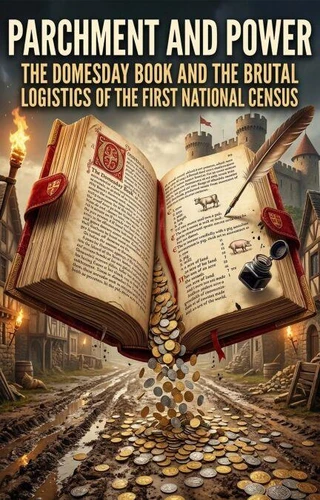
Parchment and Power. The Domesday Book and the Brutal Logistics of the First National Census
Par :Formats :
Disponible dans votre compte client Decitre ou Furet du Nord dès validation de votre commande. Le format ePub est :
- Compatible avec une lecture sur My Vivlio (smartphone, tablette, ordinateur)
- Compatible avec une lecture sur liseuses Vivlio
- Pour les liseuses autres que Vivlio, vous devez utiliser le logiciel Adobe Digital Edition. Non compatible avec la lecture sur les liseuses Kindle, Remarkable et Sony
 , qui est-ce ?
Notre partenaire de plateforme de lecture numérique où vous retrouverez l'ensemble de vos ebooks gratuitement
Pour en savoir plus sur nos ebooks, consultez notre aide en ligne ici
C'est si simple ! Lisez votre ebook avec l'app Vivlio sur votre tablette, mobile ou ordinateur :

- Nombre de pages149
- FormatePub
- ISBN978-3-565-30312-0
- EAN9783565303120
- Date de parution08/03/2026
- Protection num.pas de protection
- Taille963 Ko
- Infos supplémentairesepub
- ÉditeurEmphaloz Publishing House
Résumé
In 1086, William the Conqueror ordered a bureaucratic task so monumental it was deemed physically impossible. He demanded an exact accounting of every cow, pig, mill, and acre of land across the entirety of newly conquered England.
This was the Domesday Book, a logistical miracle that birthed the modern concept of taxation and state surveillance. This book strips away the medieval mythology to reveal the raw administrative brute force required to execute the world's first comprehensive national census without computers, standardized roads, or even a unified written language.
We explore the terrifying efficiency of the royal commissioners who interrogated illiterate farmers, cross-referencing verbal testimonies to root out tax evasion.
You will learn how the sheer volume of data gathered fundamentally changed the relationship between the citizen and the state, turning land into liquid, taxable assets. Step back into the 11th century to witness the birth of big data. Discover how a single, massive ledger locked an entire kingdom into a financial grid from which it could never escape.
You will learn how the sheer volume of data gathered fundamentally changed the relationship between the citizen and the state, turning land into liquid, taxable assets. Step back into the 11th century to witness the birth of big data. Discover how a single, massive ledger locked an entire kingdom into a financial grid from which it could never escape.