OFFRE LISEUSES
Une liseuse achetée = une housse offerte* jusqu'au 21 juin

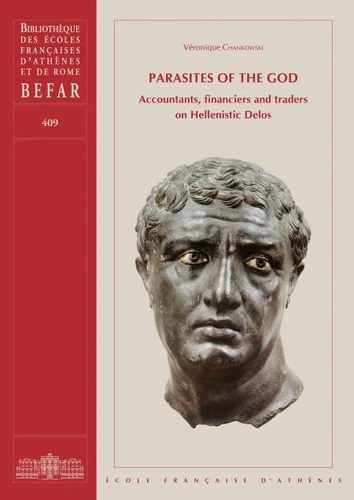
Parasites of the God. Accountants, Financiers and Traders on Hellenistic Delos
1e édition
Par : Formats :
Disponible dans votre compte client Decitre ou Furet du Nord dès validation de votre commande. Le format Multi-format est :
- Pour les liseuses autres que Vivlio, vous devez utiliser le logiciel Adobe Digital Edition. Non compatible avec la lecture sur les liseuses Kindle, Remarkable et Sony
 , qui est-ce ?
Notre partenaire de plateforme de lecture numérique où vous retrouverez l'ensemble de vos ebooks gratuitement
Pour en savoir plus sur nos ebooks, consultez notre aide en ligne ici
C'est si simple ! Lisez votre ebook avec l'app Vivlio sur votre tablette, mobile ou ordinateur :

- Nombre de pages435
- FormatMulti-format
- ISBN978-2-86958-627-7
- EAN9782869586277
- Date de parution13/03/2024
- Protection num.pas de protection
- Infos supplémentairesMulti-Format
- ÉditeurÉcole française d’Athènes
Résumé
Freed from Athenian tutelage in 314 BC, at a time of geopolitical changes that marked the beginnings of the Hellenistic period in the Aegean world, Delos gradually consolidated its political and economic independence. During the third and second centuries, the Delian community redefined the central place that the island had continually occupied in the economic, financial and cultural flows of the Mediterranean.
This study, mainly based on epigraphic accounting sources, including more than five hundred accounts and engraved inventories that were displayed in the sanctuary of Apollo, but also on numismatic sources and archaeological remains on the seafront, re-considers the question of Delos' place in the Hellenistic economy. Far from being an exception to be excluded from serialized comparisons, the Delian evidence is indicative of Aegean economic circumstances and demonstrates the capacities of the Greek communities to adapt to change in troubled times.
Behind the numbers cut in stone appear human communities and societies whose economic activities shed fresh light on the history of this part of the Mediterranean.
This study, mainly based on epigraphic accounting sources, including more than five hundred accounts and engraved inventories that were displayed in the sanctuary of Apollo, but also on numismatic sources and archaeological remains on the seafront, re-considers the question of Delos' place in the Hellenistic economy. Far from being an exception to be excluded from serialized comparisons, the Delian evidence is indicative of Aegean economic circumstances and demonstrates the capacities of the Greek communities to adapt to change in troubled times.
Behind the numbers cut in stone appear human communities and societies whose economic activities shed fresh light on the history of this part of the Mediterranean.