SOLDES
Jusqu'à -70% sur une sélection d'articles*

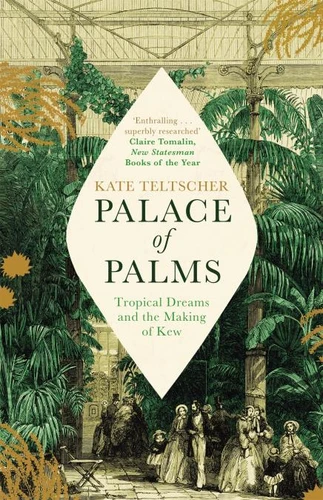
Palace of Palms. Tropical Dreams and the Making of Kew
Par :Formats :
Disponible dans votre compte client Decitre ou Furet du Nord dès validation de votre commande. Le format ePub protégé est :
- Compatible avec une lecture sur My Vivlio (smartphone, tablette, ordinateur)
- Compatible avec une lecture sur liseuses Vivlio
- Pour les liseuses autres que Vivlio, vous devez utiliser le logiciel Adobe Digital Edition. Non compatible avec la lecture sur les liseuses Kindle, Remarkable et Sony
- Non compatible avec un achat hors France métropolitaine
 , qui est-ce ?
Notre partenaire de plateforme de lecture numérique où vous retrouverez l'ensemble de vos ebooks gratuitement
Pour en savoir plus sur nos ebooks, consultez notre aide en ligne ici
C'est si simple ! Lisez votre ebook avec l'app Vivlio sur votre tablette, mobile ou ordinateur :

- Nombre de pages320
- FormatePub
- ISBN978-1-5290-0486-1
- EAN9781529004861
- Date de parution09/07/2020
- Protection num.Adobe DRM
- Infos supplémentairesepub
- ÉditeurPicador
Résumé
'A glorious green adventure story.' Ann Treneman, The Times 'Books of the Year''The most enthralling historical book I've read this year.' Claire Tomalin, New Statesman 'Books of the year' Daringly innovative when it opened in 1848, the Palm House in Kew Gardens remains one of the most beautiful glass buildings in the world today. Seemingly weightless, vast and yet light, the Palm House floats free from architectural convention, at once monumental and ethereal.
From a distance, the crowns of the palms within are silhouetted in the central dome; close to, banana leaves thrust themselves against the glass. To enter it is to enter a tropical fantasy. The body is assaulted by heat, light and the smell of damp vegetation. In Palace of Palms, Kate Teltscher tells the extraordinary story of its creation and of the Victorians' obsession with the palms that filled it.
It is a story of breathtaking ambition, of scientific discovery and, crucially, of the remarkable men whose vision it was. The Palm House was commissioned by the charismatic first Director of Kew, Sir William Hooker, designed by the audacious Irish engineer, Richard Turner, and managed by Kew's forthright curator, John Smith, who battled with boilers and floods to ensure the survival of the rare and wondrous plants it housed.
From a distance, the crowns of the palms within are silhouetted in the central dome; close to, banana leaves thrust themselves against the glass. To enter it is to enter a tropical fantasy. The body is assaulted by heat, light and the smell of damp vegetation. In Palace of Palms, Kate Teltscher tells the extraordinary story of its creation and of the Victorians' obsession with the palms that filled it.
It is a story of breathtaking ambition, of scientific discovery and, crucially, of the remarkable men whose vision it was. The Palm House was commissioned by the charismatic first Director of Kew, Sir William Hooker, designed by the audacious Irish engineer, Richard Turner, and managed by Kew's forthright curator, John Smith, who battled with boilers and floods to ensure the survival of the rare and wondrous plants it housed.