Ann Wroe is the Obituaries editor of The Economist, and has written its weekly obituary for almost two decades. She is the author of eight previous works of non-fiction, including biographies of Pontius Pilate (shortlisted for the Samuel Johnson Award and the W. H. Smith Award), Perkin Warbeck, Shelley, Orpheus (winner of the Criticos Prize) and St Francis. She lives in Brighton and London.
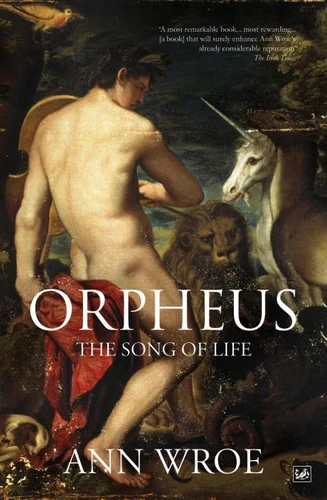
Orpheus. The Song of Life
Par :Formats :
Disponible dans votre compte client Decitre ou Furet du Nord dès validation de votre commande. Le format ePub protégé est :
- Compatible avec une lecture sur My Vivlio (smartphone, tablette, ordinateur)
- Compatible avec une lecture sur liseuses Vivlio
- Pour les liseuses autres que Vivlio, vous devez utiliser le logiciel Adobe Digital Edition. Non compatible avec la lecture sur les liseuses Kindle, Remarkable et Sony
- Non compatible avec un achat hors France métropolitaine
 , qui est-ce ?
Notre partenaire de plateforme de lecture numérique où vous retrouverez l'ensemble de vos ebooks gratuitement
Pour en savoir plus sur nos ebooks, consultez notre aide en ligne ici
C'est si simple ! Lisez votre ebook avec l'app Vivlio sur votre tablette, mobile ou ordinateur :

- Nombre de pages272
- FormatePub
- ISBN978-1-4464-0090-6
- EAN9781446400906
- Date de parution14/07/2011
- Protection num.Adobe DRM
- Infos supplémentairesepub
- ÉditeurVintage Digital
Résumé
For at least two and a half millennia, the figure of Orpheus has haunted humanity. Half-man, half-god, musician, magician, theologian, poet and lover, his story never leaves us. He may be myth, but his lyre still sounds, entrancing everything that hears it: animals, trees, water, stones, and men. In this extraordinary work Ann Wroe goes in search of Orpheus, from the forests where he walked and the mountains where he worshipped to the artefacts, texts and philosophies built up round him.
She traces the man, and the power he represents, through the myriad versions of a fantastical life: his birth in Thrace, his studies in Egypt, his voyage with the Argonauts to fetch the Golden Fleece, his love for Eurydice and journey to Hades, and his terrible death. We see him tantalising Cicero and Plato, and breathing new music into Gluck and Monteverdi; occupying the mind of Jung and the surreal dreams of Cocteau; scandalising the Fathers of the early Church, and filling Rilke with poems like a whirlwind.
He emerges as not simply another mythical figure but the force of creation itself, singing the song of light out of darkness and life out of death.
She traces the man, and the power he represents, through the myriad versions of a fantastical life: his birth in Thrace, his studies in Egypt, his voyage with the Argonauts to fetch the Golden Fleece, his love for Eurydice and journey to Hades, and his terrible death. We see him tantalising Cicero and Plato, and breathing new music into Gluck and Monteverdi; occupying the mind of Jung and the surreal dreams of Cocteau; scandalising the Fathers of the early Church, and filling Rilke with poems like a whirlwind.
He emerges as not simply another mythical figure but the force of creation itself, singing the song of light out of darkness and life out of death.
A propos de Ann Wroe
14,99 €
Francis. A Life in Songs
E-book
12,99 €
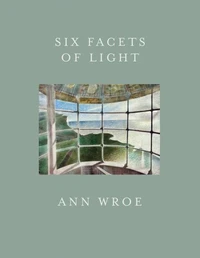
Six Facets Of Light
E-book
17,99 €
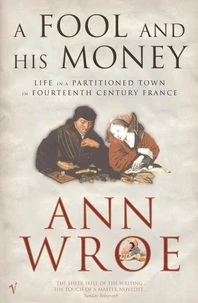
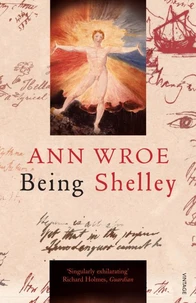
12,99 €
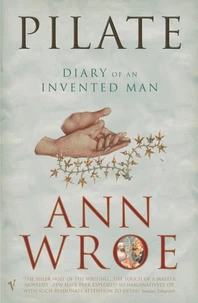
Pilate
E-book
11,99 €
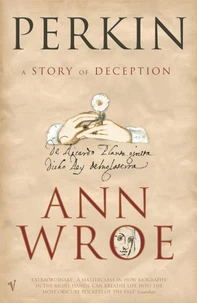
Perkin
E-book
12,99 €