Some children make noise to survive. Jimmy makes silence. At seven years old, Jimmy has already mastered the art of disappearing. He wakes before his father stirs, moves through the house without touching the squeaking floorboards, and slips out the door before anyone thinks to look for him. At school, he is quiet, polite, and invisible-the boy no system ever flags because he never causes trouble.
In the Merton house a few blocks away, Jimmy finds what he cannot name: a warm kitchen, a chair by the window, and a neighbor who almost notices. Sandra Merton sees something in the boy who sits apart from her own rowdy sons-something careful and patient and too still for a seven-year-old. She tells herself she'll make a call. She has Patty's number right there in her phone. She never makes the call.
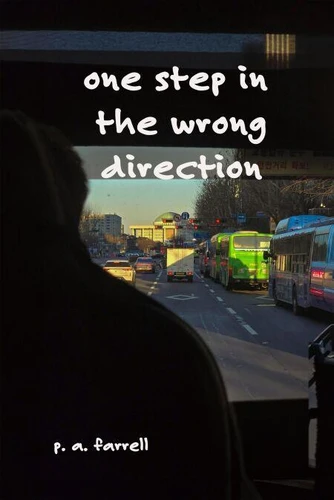
One Step in the Wrong Direction is a quietly devastating novella about the children who fall through the cracks, not because anyone failed them with cruelty, but because ordinary life is very loud and their silence asks for nothing. It is a story about the gap between noticing and acting-and what fills that gap when no one does.
Some children make noise to survive. Jimmy makes silence. At seven years old, Jimmy has already mastered the art of disappearing. He wakes before his father stirs, moves through the house without touching the squeaking floorboards, and slips out the door before anyone thinks to look for him. At school, he is quiet, polite, and invisible-the boy no system ever flags because he never causes trouble.
In the Merton house a few blocks away, Jimmy finds what he cannot name: a warm kitchen, a chair by the window, and a neighbor who almost notices. Sandra Merton sees something in the boy who sits apart from her own rowdy sons-something careful and patient and too still for a seven-year-old. She tells herself she'll make a call. She has Patty's number right there in her phone. She never makes the call.
One Step in the Wrong Direction is a quietly devastating novella about the children who fall through the cracks, not because anyone failed them with cruelty, but because ordinary life is very loud and their silence asks for nothing. It is a story about the gap between noticing and acting-and what fills that gap when no one does.


 , qui est-ce ?