
Nouveauté
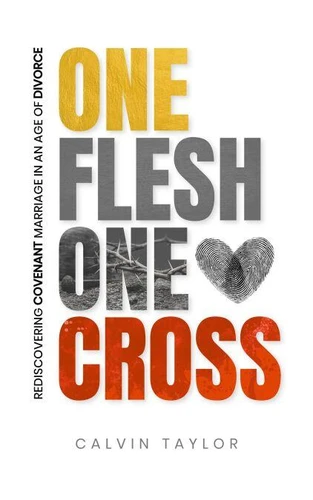
One Flesh, One Cross
Par :Formats :
Disponible dans votre compte client Decitre ou Furet du Nord dès validation de votre commande. Le format ePub est :
- Compatible avec une lecture sur My Vivlio (smartphone, tablette, ordinateur)
- Compatible avec une lecture sur liseuses Vivlio
- Pour les liseuses autres que Vivlio, vous devez utiliser le logiciel Adobe Digital Edition. Non compatible avec la lecture sur les liseuses Kindle, Remarkable et Sony
 , qui est-ce ?
Notre partenaire de plateforme de lecture numérique où vous retrouverez l'ensemble de vos ebooks gratuitement
Pour en savoir plus sur nos ebooks, consultez notre aide en ligne ici
C'est si simple ! Lisez votre ebook avec l'app Vivlio sur votre tablette, mobile ou ordinateur :

- FormatePub
- ISBN978-1-7646912-1-5
- EAN9781764691215
- Date de parution30/06/2026
- Protection num.pas de protection
- Infos supplémentairesepub
- ÉditeurCalvin Taylor
Résumé
What if the modern church is wrong about divorce and remarriage?Today most Christians assume divorce just happens, people remarry, and life moves on. But Jesus never described lifelong marriage as an ideal that sometimes fails. He described a covenant in which two become one flesh before God-a union no human authority can sever. In One Flesh, One Cross, Calvin Taylor returns to Scripture with pastoral honesty.
He challenges the assumptions many of us have absorbed without question and uncovers two missing keys: the all-sufficient love of Christ and the life-changing power of believing God can redeem even the hardest marriages. This is not about winning an argument. It is an invitation to recover what the Church has largely lost: a breathtaking vision of covenant faithfulness, forged at the cross-a steadfast love that keeps its vow even when it hurts, and looks more like Christ crucified.
The real question isn't whether covenant faithfulness is always possible. It's whether we believe the grace of the cross is strong enough to sustain it.
He challenges the assumptions many of us have absorbed without question and uncovers two missing keys: the all-sufficient love of Christ and the life-changing power of believing God can redeem even the hardest marriages. This is not about winning an argument. It is an invitation to recover what the Church has largely lost: a breathtaking vision of covenant faithfulness, forged at the cross-a steadfast love that keeps its vow even when it hurts, and looks more like Christ crucified.
The real question isn't whether covenant faithfulness is always possible. It's whether we believe the grace of the cross is strong enough to sustain it.