SOLDES
Jusqu'à -70% sur une sélection d'articles*

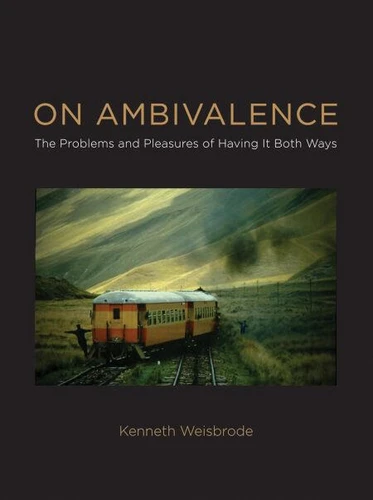
On Ambivalence. The Problems and Pleasures of Having it Both Ways
Par :Formats :
Disponible dans votre compte client Decitre ou Furet du Nord dès validation de votre commande. Le format ePub protégé est :
- Compatible avec une lecture sur My Vivlio (smartphone, tablette, ordinateur)
- Compatible avec une lecture sur liseuses Vivlio
- Pour les liseuses autres que Vivlio, vous devez utiliser le logiciel Adobe Digital Edition. Non compatible avec la lecture sur les liseuses Kindle, Remarkable et Sony
- Non compatible avec un achat hors France métropolitaine
 , qui est-ce ?
Notre partenaire de plateforme de lecture numérique où vous retrouverez l'ensemble de vos ebooks gratuitement
Pour en savoir plus sur nos ebooks, consultez notre aide en ligne ici
C'est si simple ! Lisez votre ebook avec l'app Vivlio sur votre tablette, mobile ou ordinateur :

- Nombre de pages88
- FormatePub
- ISBN978-0-262-30107-7
- EAN9780262301077
- Date de parution24/02/2012
- Protection num.Adobe DRM
- Taille691 Ko
- Infos supplémentairesepub
- ÉditeurThe MIT Press
Résumé
A concise guide to ambivalence, from Adam and Eve (to eat the apple or not?) to Hamlet (to be or not?) to globalization (e pluribus unum or not?). Why is it so hard to make up our minds? Adam and Eve set the template: Do we or don't we eat the apple? They chose, half-heartedly, and nothing was ever the same again. With this book, Kenneth Weisbrode offers a crisp, literate, and provocative introduction to the age-old struggle with ambivalence.
Ambivalence results from a basic desire to have it both ways. This is only natural-although insisting upon it against all reason often results not in "both" but in the disappointing "neither." Ambivalence has insinuated itself into our culture as a kind of obligatory reflex, or default position, before practically every choice we make. It affects not only individuals; organizations, societies, and cultures can also be ambivalent.
How often have we asked the scornful question, "Are we the Hamlet of nations"? How often have we demanded that our leaders appear decisive, judicious, and stalwart? And how eager have we been to censure them when they hesitate or waver?Weisbrode traces the concept of ambivalence, from the Garden of Eden to Freud and beyond. The Obama era, he says, may be America's own era of ambivalence: neither red nor blue but a multicolored kaleidoscope.
Ambivalence, he argues, need not be destructive. We must learn to distinguish it from its symptoms-selfishness, ambiguity, and indecision-and accept that frustration, guilt, and paralysis felt by individuals need not lead automatically to a collective pathology. Drawing upon examples from philosophy, history, literature, and the social sciences, On Ambivalence is a pocket-sized portrait of a complex human condition.
It should be read by anyone who has ever grappled with making the right choice.
Ambivalence results from a basic desire to have it both ways. This is only natural-although insisting upon it against all reason often results not in "both" but in the disappointing "neither." Ambivalence has insinuated itself into our culture as a kind of obligatory reflex, or default position, before practically every choice we make. It affects not only individuals; organizations, societies, and cultures can also be ambivalent.
How often have we asked the scornful question, "Are we the Hamlet of nations"? How often have we demanded that our leaders appear decisive, judicious, and stalwart? And how eager have we been to censure them when they hesitate or waver?Weisbrode traces the concept of ambivalence, from the Garden of Eden to Freud and beyond. The Obama era, he says, may be America's own era of ambivalence: neither red nor blue but a multicolored kaleidoscope.
Ambivalence, he argues, need not be destructive. We must learn to distinguish it from its symptoms-selfishness, ambiguity, and indecision-and accept that frustration, guilt, and paralysis felt by individuals need not lead automatically to a collective pathology. Drawing upon examples from philosophy, history, literature, and the social sciences, On Ambivalence is a pocket-sized portrait of a complex human condition.
It should be read by anyone who has ever grappled with making the right choice.