
L'Union européenne est à la croisée des chemins : entre implosion et refondation. Il s'agit, dans ce numéro de Cités, de revenir sur ses principes constitutif pour déterminer à quelle conditions elle peut retrouver la perspective d'un avenir, qui ne peut aller sans le soutien des peuples et des citoyens européens.
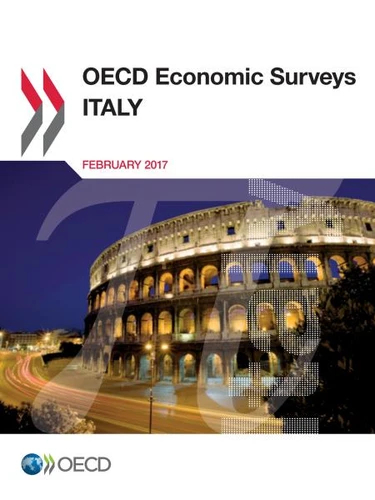
OECD Economic Surveys: Italy 2017
Par :Formats :
Disponible dans votre compte client Decitre ou Furet du Nord dès validation de votre commande. Le format Multi-format est :
- Pour les liseuses autres que Vivlio, vous devez utiliser le logiciel Adobe Digital Edition. Non compatible avec la lecture sur les liseuses Kindle, Remarkable et Sony
 , qui est-ce ?
Notre partenaire de plateforme de lecture numérique où vous retrouverez l'ensemble de vos ebooks gratuitement
Pour en savoir plus sur nos ebooks, consultez notre aide en ligne ici
C'est si simple ! Lisez votre ebook avec l'app Vivlio sur votre tablette, mobile ou ordinateur :

- FormatMulti-format
- ISBN978-92-64-27019-0
- EAN9789264270190
- Date de parution15/02/2017
- Protection num.pas de protection
- Infos supplémentairesMulti-Format
- ÉditeurOECD
Résumé
Italy is recovering from a deep and long recession. Structural reforms, accommodative monetary and fiscal conditions, and low commodity prices have helped the economy to turn the corner. The Jobs Act, part of a wide and ambitious structural reform programme, and social security contribution exemptions have improved the labour market and raised employment. Yet, the recovery remains weak and productivity continues to decline.
Returning the banking system to health will be crucial to revive growth and private investment. More investment in infrastructure will be essential to raise productivity. The government has made significant progress on tackling structural impediments to growth and productivity. Yet public-administration inefficiencies, slow judicial processes, poorly designed regulation and weak competition still make it difficult to do business in Italy.
Labour and capital resources are trapped in low-productivity firms, which hold down wages and well-being. Innovative start-ups and SMEs continue to suffer from difficult access to bank and equity finance. Literacy scores are low and job-skill mismatch is one of the highest among OECD countries, depressing earnings and well-being. Many workers are under-skilled in the jobs they hold, highlighting mismatches between workers skills and those required by employers.
Improving the education system and labour market policies are crucial to raising real wages, job satisfaction and living standards. The Jobs Act and the Good School reform go in the right direction and need to be fully implemented. SPECIAL FEATURES: RAISING INVESTMENT; ENHANCING SKILLS
Returning the banking system to health will be crucial to revive growth and private investment. More investment in infrastructure will be essential to raise productivity. The government has made significant progress on tackling structural impediments to growth and productivity. Yet public-administration inefficiencies, slow judicial processes, poorly designed regulation and weak competition still make it difficult to do business in Italy.
Labour and capital resources are trapped in low-productivity firms, which hold down wages and well-being. Innovative start-ups and SMEs continue to suffer from difficult access to bank and equity finance. Literacy scores are low and job-skill mismatch is one of the highest among OECD countries, depressing earnings and well-being. Many workers are under-skilled in the jobs they hold, highlighting mismatches between workers skills and those required by employers.
Improving the education system and labour market policies are crucial to raising real wages, job satisfaction and living standards. The Jobs Act and the Good School reform go in the right direction and need to be fully implemented. SPECIAL FEATURES: RAISING INVESTMENT; ENHANCING SKILLS
A propos de Collectif
6,00 €

24,99 €

Maths CE1. Mon fichier
Edition 2023
Grand Format
7,90 €
9,20 €

5,90 €

Vivre les maths CE1. Fichiers 1 et 2
Grand Format
12,90 €

15,50 €

6,95 €

Maths CE1. Mon cahier de problèmes
Edition 2023
Edition 2023
Grand Format
3,30 €



6,50 €

Ophtalmologie
6e édition
6e édition
Grand Format
37,90 €

9,50 €

Best of Pixar
Album
15,95 €



9,50 €