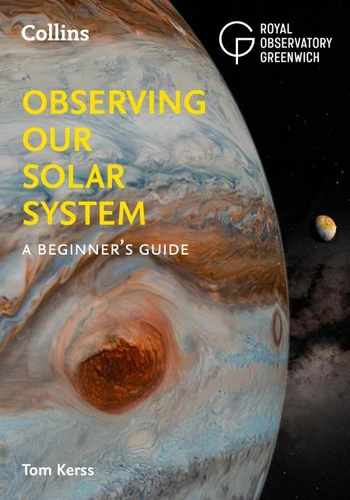
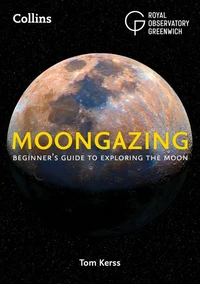
The sights in our Solar System are dynamic reminders of our planet's position as part of a larger neighbourhood. Study the ever-changing face of the Moon, watch the steady march of the planets against the stars, witness the thrill of a meteor shower, or the memory of a once-in-a-generation comet.
In a few short generations, scientists have taken us from wondering about the nature of the Solar System to exploring every corner of it with advanced robotic probes, and inexpensive but powerful telescopes have become ubiquitous, allowing all of us to follow in the footsteps of Galileo as explorers.
In this guide, you will learn how the Solar System came to be understood - from ancient theories of its mechanics to the modern age of remote sensing, We'll then look at the significant targets for amateur astronomers - the Moon, Sun and planets - to see how they can be explored by eye and with telescopes.
We'll discuss some of the more obscure but fascinating worlds, including asteroids and dwarf planets, and dazzling special events, such as meteor showers, conjunctions, occultations and eclipses.
The sights in our Solar System are dynamic reminders of our planet's position as part of a larger neighbourhood. Study the ever-changing face of the Moon, watch the steady march of the planets against the stars, witness the thrill of a meteor shower, or the memory of a once-in-a-generation comet.
In a few short generations, scientists have taken us from wondering about the nature of the Solar System to exploring every corner of it with advanced robotic probes, and inexpensive but powerful telescopes have become ubiquitous, allowing all of us to follow in the footsteps of Galileo as explorers.
In this guide, you will learn how the Solar System came to be understood - from ancient theories of its mechanics to the modern age of remote sensing, We'll then look at the significant targets for amateur astronomers - the Moon, Sun and planets - to see how they can be explored by eye and with telescopes.
We'll discuss some of the more obscure but fascinating worlds, including asteroids and dwarf planets, and dazzling special events, such as meteor showers, conjunctions, occultations and eclipses.