
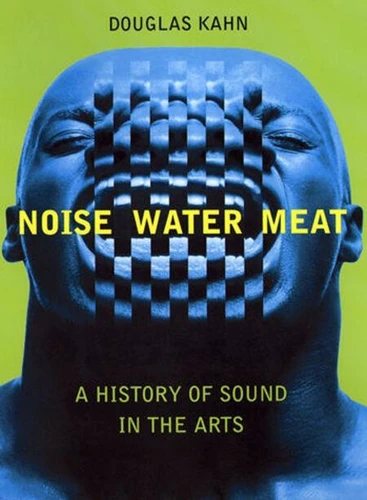
Noise, Water, Meat. A History of Sound in the Arts
Par :Formats :
Disponible dans votre compte client Decitre ou Furet du Nord dès validation de votre commande. Le format ePub protégé est :
- Compatible avec une lecture sur My Vivlio (smartphone, tablette, ordinateur)
- Compatible avec une lecture sur liseuses Vivlio
- Pour les liseuses autres que Vivlio, vous devez utiliser le logiciel Adobe Digital Edition. Non compatible avec la lecture sur les liseuses Kindle, Remarkable et Sony
- Non compatible avec un achat hors France métropolitaine
 , qui est-ce ?
Notre partenaire de plateforme de lecture numérique où vous retrouverez l'ensemble de vos ebooks gratuitement
Pour en savoir plus sur nos ebooks, consultez notre aide en ligne ici
C'est si simple ! Lisez votre ebook avec l'app Vivlio sur votre tablette, mobile ou ordinateur :

- Nombre de pages466
- FormatePub
- ISBN0-262-31162-3
- EAN9780262311625
- Date de parution24/08/2001
- Protection num.Adobe DRM
- Taille984 Ko
- Infos supplémentairesepub
- ÉditeurThe MIT Press
Résumé
An examination of the role of sound in twentieth-century arts. This interdisciplinary history and theory of sound in the arts reads the twentieth century by listening to it-to the emphatic and exceptional sounds of modernism and those on the cusp of postmodernism, recorded sound, noise, silence, the fluid sounds of immersion and dripping, and the meat voices of viruses, screams, and bestial cries.
Focusing on Europe in the first half of the century and the United States in the postwar years, Douglas Kahn explores aural activities in literature, music, visual arts, theater, and film. Placing aurality at the center of the history of the arts, he revisits key artistic questions, listening to the sounds that drown out the politics and poetics that generated them. Artists discussed include Antonin Artaud, George Brecht, William Burroughs, John Cage, Sergei Eisenstein, Fluxus, Allan Kaprow, Michael McClure, Yoko Ono, Jackson Pollock, Luigi Russolo, and Dziga Vertov.
Focusing on Europe in the first half of the century and the United States in the postwar years, Douglas Kahn explores aural activities in literature, music, visual arts, theater, and film. Placing aurality at the center of the history of the arts, he revisits key artistic questions, listening to the sounds that drown out the politics and poetics that generated them. Artists discussed include Antonin Artaud, George Brecht, William Burroughs, John Cage, Sergei Eisenstein, Fluxus, Allan Kaprow, Michael McClure, Yoko Ono, Jackson Pollock, Luigi Russolo, and Dziga Vertov.