SOLDES
Jusqu'à -70% sur une sélection d'articles*

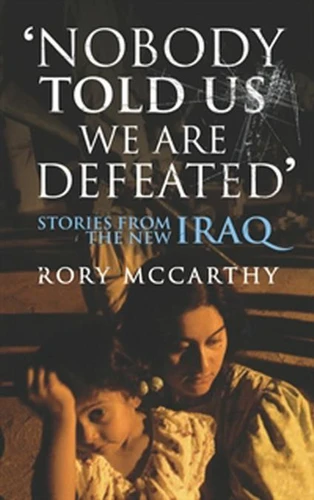
Nobody Told Us We Are Defeated
Par :Formats :
Disponible dans votre compte client Decitre ou Furet du Nord dès validation de votre commande. Le format ePub protégé est :
- Compatible avec une lecture sur My Vivlio (smartphone, tablette, ordinateur)
- Compatible avec une lecture sur liseuses Vivlio
- Pour les liseuses autres que Vivlio, vous devez utiliser le logiciel Adobe Digital Edition. Non compatible avec la lecture sur les liseuses Kindle, Remarkable et Sony
- Non compatible avec un achat hors France métropolitaine
 , qui est-ce ?
Notre partenaire de plateforme de lecture numérique où vous retrouverez l'ensemble de vos ebooks gratuitement
Pour en savoir plus sur nos ebooks, consultez notre aide en ligne ici
C'est si simple ! Lisez votre ebook avec l'app Vivlio sur votre tablette, mobile ou ordinateur :

- Nombre de pages336
- FormatePub
- ISBN978-1-4464-4801-4
- EAN9781446448014
- Date de parution15/02/2011
- Protection num.Adobe DRM
- Infos supplémentairesepub
- ÉditeurVintage Digital
Résumé
In May 2003 journalist Rory McCarthy went to Iraq to cover what was claimed to be the triumphant rebuilding of the country after the American invasion. Two years later he left a place teetering on the brink of civil war, whose inhabitants longed for the Americans to leave but feared what would happen if they did. Throughout his stay, McCarthy was struck by how little the Iraqi point of view was represented in the media, drowned out by the message of the British and American occupying powers.
This book is an attempt to recify that. By telling the stories of some of the Iraqis that McCarthy came to know, it reveals, more subtly and interestingly than any political rhetoric, the fatal extent to which they were misunderstood. From the survivor of one of Sadaam's mass graves to the insurgents of Najaf, McCarthy shows us men and women living the dilemmas of Iraq from day to day, and making crucial decisions about where they stand.
The result is a moving and important book that gives a remarkable overview of a nation in turmoil.
This book is an attempt to recify that. By telling the stories of some of the Iraqis that McCarthy came to know, it reveals, more subtly and interestingly than any political rhetoric, the fatal extent to which they were misunderstood. From the survivor of one of Sadaam's mass graves to the insurgents of Najaf, McCarthy shows us men and women living the dilemmas of Iraq from day to day, and making crucial decisions about where they stand.
The result is a moving and important book that gives a remarkable overview of a nation in turmoil.