
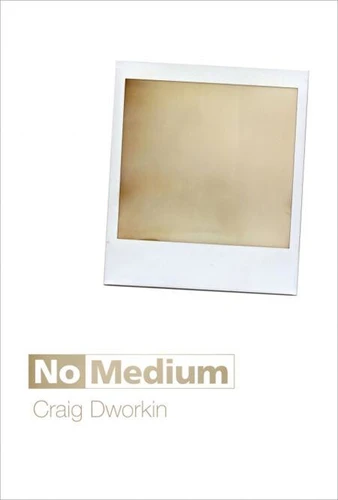
No Medium
Par :Formats :
Disponible dans votre compte client Decitre ou Furet du Nord dès validation de votre commande. Le format ePub protégé est :
- Compatible avec une lecture sur My Vivlio (smartphone, tablette, ordinateur)
- Compatible avec une lecture sur liseuses Vivlio
- Pour les liseuses autres que Vivlio, vous devez utiliser le logiciel Adobe Digital Edition. Non compatible avec la lecture sur les liseuses Kindle, Remarkable et Sony
- Non compatible avec un achat hors France métropolitaine
 , qui est-ce ?
Notre partenaire de plateforme de lecture numérique où vous retrouverez l'ensemble de vos ebooks gratuitement
Pour en savoir plus sur nos ebooks, consultez notre aide en ligne ici
C'est si simple ! Lisez votre ebook avec l'app Vivlio sur votre tablette, mobile ou ordinateur :

- Nombre de pages232
- FormatePub
- ISBN978-0-262-31271-4
- EAN9780262312714
- Date de parution15/02/2013
- Protection num.Adobe DRM
- Taille2 Mo
- Infos supplémentairesepub
- ÉditeurThe MIT Press
Résumé
Close readings of ostensibly "blank" works-from unprinted pages to silent music-that point to a new understanding of media. In No Medium, Craig Dworkin looks at works that are blank, erased, clear, or silent, writing critically and substantively about works for which there would seem to be not only nothing to see but nothing to say. Examined closely, these ostensibly contentless works of art, literature, and music point to a new understanding of media and the limits of the artistic object.
Dworkin considers works predicated on blank sheets of paper, from a fictional collection of poems in Jean Cocteau's Orphée to the actual publication of a ream of typing paper as a book of poetry; he compares Robert Rauschenberg's Erased De Kooning Drawing to the artist Nick Thurston's erased copy of Maurice Blanchot's The Space of Literature (in which only Thurston's marginalia were visible); and he scrutinizes the sexual politics of photographic representation and the implications of obscured or obliterated subjects of photographs.
Reexamining the famous case of John Cage's 4'33", Dworkin links Cage's composition to Rauschenberg's White Paintings, Ken Friedman's Zen for Record (and Nam June Paik's Zen for Film), and other works, offering also a "guide to further listening" that surveys more than 100 scores and recordings of "silent" music. Dworkin argues that we should understand media not as blank, base things but as social events, and that there is no medium, understood in isolation, but only and always a plurality of media: interpretive activities taking place in socially inscribed space.
Dworkin considers works predicated on blank sheets of paper, from a fictional collection of poems in Jean Cocteau's Orphée to the actual publication of a ream of typing paper as a book of poetry; he compares Robert Rauschenberg's Erased De Kooning Drawing to the artist Nick Thurston's erased copy of Maurice Blanchot's The Space of Literature (in which only Thurston's marginalia were visible); and he scrutinizes the sexual politics of photographic representation and the implications of obscured or obliterated subjects of photographs.
Reexamining the famous case of John Cage's 4'33", Dworkin links Cage's composition to Rauschenberg's White Paintings, Ken Friedman's Zen for Record (and Nam June Paik's Zen for Film), and other works, offering also a "guide to further listening" that surveys more than 100 scores and recordings of "silent" music. Dworkin argues that we should understand media not as blank, base things but as social events, and that there is no medium, understood in isolation, but only and always a plurality of media: interpretive activities taking place in socially inscribed space.