SOLDES
Jusqu'à -70% sur une sélection d'articles*

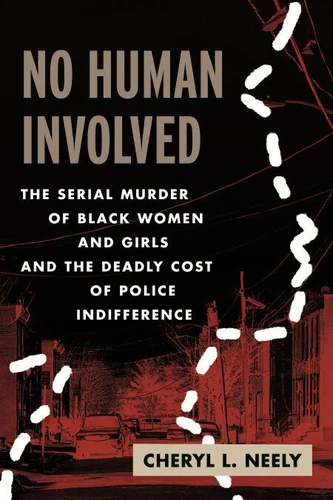
No Human Involved. The Serial Murder of Black Women and Girls and the Deadly Cost of Police Indifference
Par :Formats :
Disponible dans votre compte client Decitre ou Furet du Nord dès validation de votre commande. Le format ePub protégé est :
- Compatible avec une lecture sur My Vivlio (smartphone, tablette, ordinateur)
- Compatible avec une lecture sur liseuses Vivlio
- Pour les liseuses autres que Vivlio, vous devez utiliser le logiciel Adobe Digital Edition. Non compatible avec la lecture sur les liseuses Kindle, Remarkable et Sony
- Non compatible avec un achat hors France métropolitaine
 , qui est-ce ?
Notre partenaire de plateforme de lecture numérique où vous retrouverez l'ensemble de vos ebooks gratuitement
Pour en savoir plus sur nos ebooks, consultez notre aide en ligne ici
C'est si simple ! Lisez votre ebook avec l'app Vivlio sur votre tablette, mobile ou ordinateur :

- Nombre de pages288
- FormatePub
- ISBN978-0-8070-0458-6
- EAN9780807004586
- Date de parution21/01/2025
- Protection num.Adobe DRM
- Taille1 Mo
- Infos supplémentairesepub
- ÉditeurBeacon Press
Résumé
2026 Michigan Notable Book WinnerAn urgent examination of the invisibility of Black women and girls as victims of targeted killings, and the lack of police intervention and media coverageWhen Black women and girls are targeted and murdered their cases are often categorized by police officers as "N. H. I." - "No Humans Involved." Dehumanized and invisible to the public eye, they are rarely seen as victims.
In the United States, Black women are killed at a higher rate than any other group of women, but their victimhood is not covered by the media and their cases do not receive an adequate level of urgency. Utilizing intensive historical research of cases in cities such as Boston, Cleveland, Chicago, Detroit, and Los Angles, Cheryl Neely calls attention to serial cases of Black female murder victims and a lack of police action.
Neely approaches each case and story with detailed care. Instead of focusing solely on the killings and the murderers, she highlights the lives of the women and girls and their communities that never stopped fighting for justice. With media neglect and police indifference, Neely argues that because law enforcement is less likely to conduct serious investigations into the disappearances and homicides of Black women, they are particularly vulnerable to become victims.
Diving deep into the unseen and unheard, Neely uses personal interviews, court records, media reports, and analytical data to understand how and why Black women are disproportionately more likely to die from homicide in comparison to their white counterpoints. Sounding an urgent alarm, No Human Involved contends that it is time for Black women's lives to matter not only to their families and communities, but especially to those commissioned to protect them.
In the United States, Black women are killed at a higher rate than any other group of women, but their victimhood is not covered by the media and their cases do not receive an adequate level of urgency. Utilizing intensive historical research of cases in cities such as Boston, Cleveland, Chicago, Detroit, and Los Angles, Cheryl Neely calls attention to serial cases of Black female murder victims and a lack of police action.
Neely approaches each case and story with detailed care. Instead of focusing solely on the killings and the murderers, she highlights the lives of the women and girls and their communities that never stopped fighting for justice. With media neglect and police indifference, Neely argues that because law enforcement is less likely to conduct serious investigations into the disappearances and homicides of Black women, they are particularly vulnerable to become victims.
Diving deep into the unseen and unheard, Neely uses personal interviews, court records, media reports, and analytical data to understand how and why Black women are disproportionately more likely to die from homicide in comparison to their white counterpoints. Sounding an urgent alarm, No Human Involved contends that it is time for Black women's lives to matter not only to their families and communities, but especially to those commissioned to protect them.