SOLDES
Jusqu'à -70% sur une sélection d'articles*

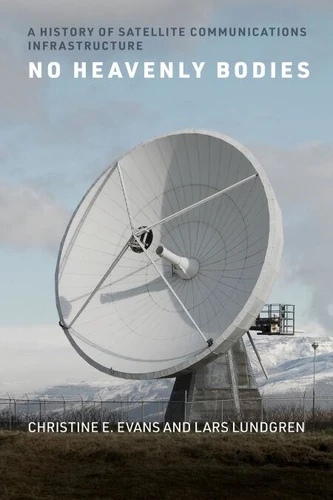
No Heavenly Bodies A History of Satellite Communication Infrastructures /anglais
Par :Formats :
Disponible dans votre compte client Decitre ou Furet du Nord dès validation de votre commande. Le format ePub protégé est :
- Compatible avec une lecture sur My Vivlio (smartphone, tablette, ordinateur)
- Compatible avec une lecture sur liseuses Vivlio
- Pour les liseuses autres que Vivlio, vous devez utiliser le logiciel Adobe Digital Edition. Non compatible avec la lecture sur les liseuses Kindle, Remarkable et Sony
- Non compatible avec un achat hors France métropolitaine
 , qui est-ce ?
Notre partenaire de plateforme de lecture numérique où vous retrouverez l'ensemble de vos ebooks gratuitement
Pour en savoir plus sur nos ebooks, consultez notre aide en ligne ici
C'est si simple ! Lisez votre ebook avec l'app Vivlio sur votre tablette, mobile ou ordinateur :

- Nombre de pages256
- FormatePub
- ISBN978-0-262-37682-2
- EAN9780262376822
- Date de parution28/11/2023
- Protection num.Adobe DRM
- Taille29 Mo
- Infos supplémentairesepub
- ÉditeurThe MIT Press
Résumé
The compelling and little-known history of satellite communications that reveals the Soviet and Eastern European roles in the development of its infrastructure. Taking its title from Hannah Arendt's description of artificial earth satellites, No Heavenly Bodies explores the history of the first two decades of satellite communications. Christine E. Evans and Lars Lundgren trace how satellite communications infrastructure was imagined, negotiated, and built across the Earth's surface, including across the Iron Curtain.
While the United States' and European countries' roles in satellite communications are well documented, Evans and Lundgren delve deep into the role the Soviet Union and other socialist countries played in shaping the infrastructure of satellite communications technology in its first two decades. Departing from the Cold War binary and the competitive framework that has animated much of space historiography and telecommunications history, No Heavenly Bodies focuses instead on interaction, cooperation, and mutual influence across the Cold War divide.
Evans and Lundgren describe the expansion of satellite communications networks as a process of negotiation and interaction, rather than a simple contest of technological and geopolitical prowess. In so doing, they make visible the significant overlaps, shared imaginaries, points of contact and exchange, and negotiated settlements that determined the shape of satellite communications in its formative decades.
While the United States' and European countries' roles in satellite communications are well documented, Evans and Lundgren delve deep into the role the Soviet Union and other socialist countries played in shaping the infrastructure of satellite communications technology in its first two decades. Departing from the Cold War binary and the competitive framework that has animated much of space historiography and telecommunications history, No Heavenly Bodies focuses instead on interaction, cooperation, and mutual influence across the Cold War divide.
Evans and Lundgren describe the expansion of satellite communications networks as a process of negotiation and interaction, rather than a simple contest of technological and geopolitical prowess. In so doing, they make visible the significant overlaps, shared imaginaries, points of contact and exchange, and negotiated settlements that determined the shape of satellite communications in its formative decades.