Prix Nobel de la Paix
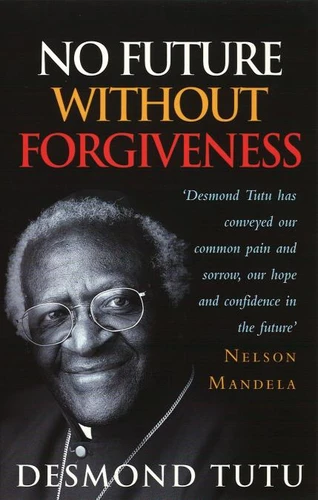
No Future Without Forgiveness
Par :Formats :
Disponible dans votre compte client Decitre ou Furet du Nord dès validation de votre commande. Le format ePub protégé est :
- Compatible avec une lecture sur My Vivlio (smartphone, tablette, ordinateur)
- Compatible avec une lecture sur liseuses Vivlio
- Pour les liseuses autres que Vivlio, vous devez utiliser le logiciel Adobe Digital Edition. Non compatible avec la lecture sur les liseuses Kindle, Remarkable et Sony
- Non compatible avec un achat hors France métropolitaine
 , qui est-ce ?
Notre partenaire de plateforme de lecture numérique où vous retrouverez l'ensemble de vos ebooks gratuitement
Pour en savoir plus sur nos ebooks, consultez notre aide en ligne ici
C'est si simple ! Lisez votre ebook avec l'app Vivlio sur votre tablette, mobile ou ordinateur :

- Nombre de pages256
- FormatePub
- ISBN978-1-4481-1805-2
- EAN9781448118052
- Date de parution31/01/2012
- Protection num.Adobe DRM
- Infos supplémentairesepub
- ÉditeurEbury Digital
Résumé
No Future Without Forgiveness is a quintessentially humane account of an extraordinary life. Desmond Tutu describes his childhood and coming of age in the apartheid era in South Africa. He examines his reactions on being able to vote for the first time at the age of 62 - and on Nelson Mandela's election, also his feelings on being Archbishop of Cape Town and his award of the Nobel Peace Prize in 1984.
No Future Without Forgiveness is also his fascinating experience as head of South Africa's Truth and Reconciliation Commission. The latter was a pioneering international experiment to expose many of the worst atrocities committed under apartheid, and to rehabilitate the dignity of its victims. Tutu draws important parallels between the Commissioners' approach to the situation in South Africa with other areas of conflict such as Northern Ireland, the Middle East, Rwanda and the Balkans.
No Future Without Forgiveness is also his fascinating experience as head of South Africa's Truth and Reconciliation Commission. The latter was a pioneering international experiment to expose many of the worst atrocities committed under apartheid, and to rehabilitate the dignity of its victims. Tutu draws important parallels between the Commissioners' approach to the situation in South Africa with other areas of conflict such as Northern Ireland, the Middle East, Rwanda and the Balkans.