
Adam Thorpe was born in Paris in 1956. His first novel, Ulverton, appeared in 1992 and he has published two books of stories and ten further novels, most recently Missing Fay (2017), and six poetry collections.www.adamthorpe.net
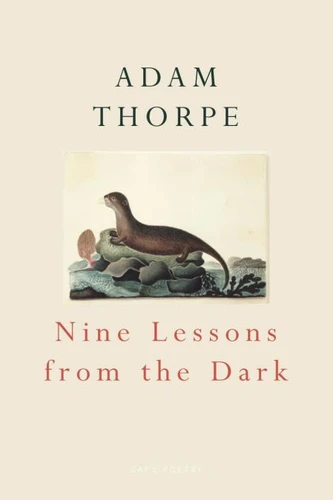
Nine Lessons From The Dark
Par :Formats :
Disponible dans votre compte client Decitre ou Furet du Nord dès validation de votre commande. Le format ePub protégé est :
- Compatible avec une lecture sur My Vivlio (smartphone, tablette, ordinateur)
- Compatible avec une lecture sur liseuses Vivlio
- Pour les liseuses autres que Vivlio, vous devez utiliser le logiciel Adobe Digital Edition. Non compatible avec la lecture sur les liseuses Kindle, Remarkable et Sony
- Non compatible avec un achat hors France métropolitaine
 , qui est-ce ?
Notre partenaire de plateforme de lecture numérique où vous retrouverez l'ensemble de vos ebooks gratuitement
Pour en savoir plus sur nos ebooks, consultez notre aide en ligne ici
C'est si simple ! Lisez votre ebook avec l'app Vivlio sur votre tablette, mobile ou ordinateur :

- Nombre de pages96
- FormatePub
- ISBN978-1-4464-4274-6
- EAN9781446442746
- Date de parution31/01/2013
- Protection num.Adobe DRM
- Infos supplémentairesepub
- ÉditeurVintage Digital
Résumé
Adam Thorpe's fourth collection continues his engagement with history: the living continuum that connects us with our near and distant past, nourishing and illuminating our present. Here are traces left of presence: Indian scratchings on rock, the nail-marks of destroyed frescoes, spoken fragments of war memories - petroglyphs that function as both memorials and re-awakenings, traceable with the finger of the imagination.
And here, too, are images of the stilled, the stopped life: a snowed-up village, the paralysed victim of motor-neurone disease, a soft drink fermented in an old village cafe. From this rueful equilibrium of mid-life, Thorpe circles his own personal history, allowing regret and anticipation their Janus-like say. These are erudite, generous poems, formally versatile yet rich in startlingly original observation and a natural lyric grace.
Performing his unique archaeology on lives lived, Adam Thorpe once again displays the range of his imagination and the depth of his humanity.
And here, too, are images of the stilled, the stopped life: a snowed-up village, the paralysed victim of motor-neurone disease, a soft drink fermented in an old village cafe. From this rueful equilibrium of mid-life, Thorpe circles his own personal history, allowing regret and anticipation their Janus-like say. These are erudite, generous poems, formally versatile yet rich in startlingly original observation and a natural lyric grace.
Performing his unique archaeology on lives lived, Adam Thorpe once again displays the range of his imagination and the depth of his humanity.
A propos de Adam Thorpe
Words From the Wall
E-book
8,99 €
Missing Fay
E-book
8,49 €
4.5/5
3.8/5
Thérèse Raquin
E-book
6,99 €
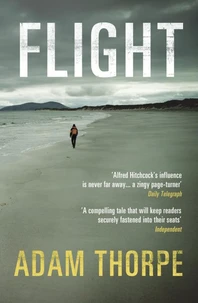
Flight
E-book
8,99 €
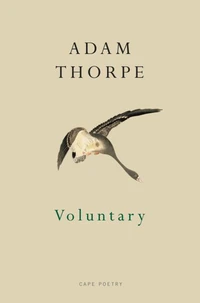
Voluntary
E-book
9,49 €
3.8/5
3.9/5
Madame Bovary
E-book
9,49 €
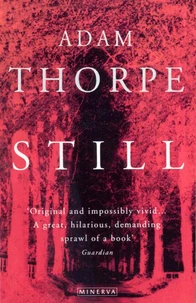
Still
E-book
8,99 €
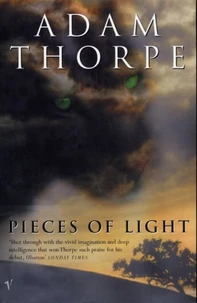
Pieces Of Light
E-book
8,99 €
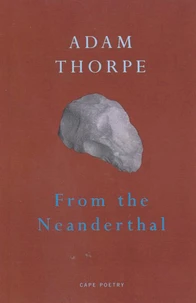
From The Neanderthal
E-book
6,49 €
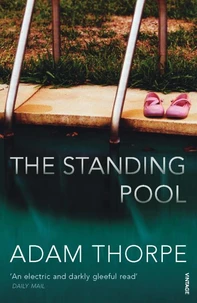
The Standing Pool
E-book
9,49 €
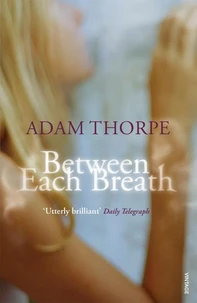
Between Each Breath
E-book
8,99 €
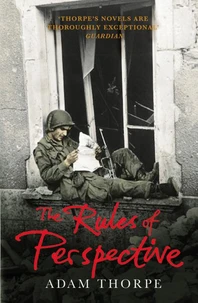
The Rules Of Perspective
E-book
6,99 €
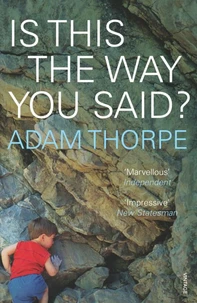
8,99 €
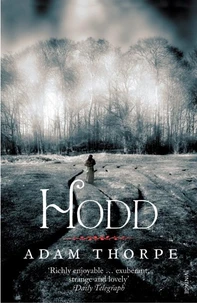
Hodd
E-book
10,99 €
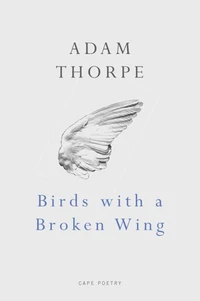
Birds With A Broken Wing
E-book
14,99 €