SOLDES
Jusqu'à -70% sur une sélection d'articles*

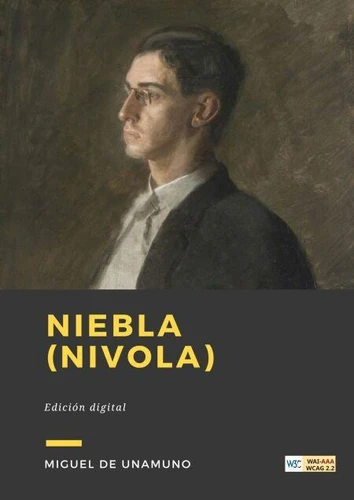
Niebla (Nivola)
Par :Formats :
Disponible dans votre compte client Decitre ou Furet du Nord dès validation de votre commande. Le format ePub est :
- Compatible avec une lecture sur My Vivlio (smartphone, tablette, ordinateur)
- Compatible avec une lecture sur liseuses Vivlio
- Pour les liseuses autres que Vivlio, vous devez utiliser le logiciel Adobe Digital Edition. Non compatible avec la lecture sur les liseuses Kindle, Remarkable et Sony
 , qui est-ce ?
Notre partenaire de plateforme de lecture numérique où vous retrouverez l'ensemble de vos ebooks gratuitement
Pour en savoir plus sur nos ebooks, consultez notre aide en ligne ici
C'est si simple ! Lisez votre ebook avec l'app Vivlio sur votre tablette, mobile ou ordinateur :

- FormatePub
- ISBN978-2-38461-162-1
- EAN9782384611621
- Date de parution17/10/2025
- Protection num.pas de protection
- Infos supplémentairesepub
- ÉditeurLibrofilio
Résumé
Miguel de Unamuno's Niebla (Mist) represents a revolutionary achievement in Spanish literature, introducing the concept of the 'nivola'-Unamuno's innovative narrative form that challenges traditional novelistic conventions. The story follows Augusto Pérez, a wealthy bachelor whose predictable life is disrupted when he falls in love with Eugenia, a piano teacher. However, the true innovation of the work lies in its metafictional elements, particularly the famous scene where Augusto confronts his creator, Unamuno himself, questioning the nature of his existence and the boundaries between fiction and reality.
Through this groundbreaking narrative technique, Unamuno explores profound existential and philosophical questions about free will, identity, and the meaning of existence. The work reflects the author's deep engagement with existentialist philosophy and his concern with the spiritual crisis of modern humanity. Niebla's experimental approach to storytelling and its philosophical depth make it a crucial work in the development of modern Spanish literature and a significant contribution to existentialist thought in fiction.
Through this groundbreaking narrative technique, Unamuno explores profound existential and philosophical questions about free will, identity, and the meaning of existence. The work reflects the author's deep engagement with existentialist philosophy and his concern with the spiritual crisis of modern humanity. Niebla's experimental approach to storytelling and its philosophical depth make it a crucial work in the development of modern Spanish literature and a significant contribution to existentialist thought in fiction.