
Heinz Nigg (born 23 August 1949) is a anthropologist and community artist living in Zurich, Switzerland
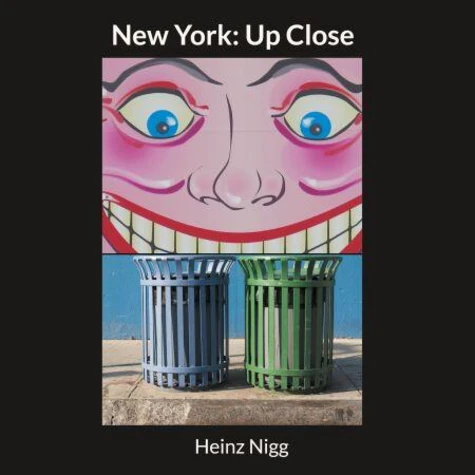
New York: Up Close
Par :Formats :
Disponible dans votre compte client Decitre ou Furet du Nord dès validation de votre commande. Le format ePub est :
- Compatible avec une lecture sur My Vivlio (smartphone, tablette, ordinateur)
- Compatible avec une lecture sur liseuses Vivlio
- Pour les liseuses autres que Vivlio, vous devez utiliser le logiciel Adobe Digital Edition. Non compatible avec la lecture sur les liseuses Kindle, Remarkable et Sony
 , qui est-ce ?
Notre partenaire de plateforme de lecture numérique où vous retrouverez l'ensemble de vos ebooks gratuitement
Pour en savoir plus sur nos ebooks, consultez notre aide en ligne ici
C'est si simple ! Lisez votre ebook avec l'app Vivlio sur votre tablette, mobile ou ordinateur :

- Nombre de pages144
- FormatePub
- ISBN978-3-7583-9925-1
- EAN9783758399251
- Date de parution18/03/2024
- Protection num.pas de protection
- Taille41 Mo
- Infos supplémentairesepub
- ÉditeurBooks on Demand
Résumé
A compact digital camera has been my constant companion for many years. I capture what attracts, repels, and intrigues me. I am particularly drawn to the in-between spaces, the signs, and symbols of human existence. Close-ups hold a special fascination for me.
My interest in art dates back to the 1970s, when I first encountered the ideas of Marcel Duchamp, the Fluxus movement, Minimal Art and Conceptual Art.
Meeting the New York artist On Kawara further deepened my fascination with conceptual art. His philosophical approach to time and place continues to shape my perception of the world around me. For this book, I have edited my images of New York and placed them in dialogue with each other. Instead of an introduction to my working process, I offer a glimpse into my diary from 1974, the year I met On Kawara.
Meeting the New York artist On Kawara further deepened my fascination with conceptual art. His philosophical approach to time and place continues to shape my perception of the world around me. For this book, I have edited my images of New York and placed them in dialogue with each other. Instead of an introduction to my working process, I offer a glimpse into my diary from 1974, the year I met On Kawara.
A propos de Heinz Nigg

6,49 €
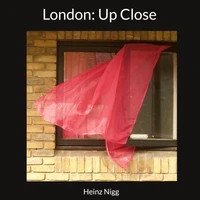
London: Up Close
E-book
13,99 €
17,99 €
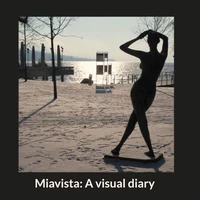
Miavista: A visual diary
E-book
16,99 €
Mittendrin
E-book
5,99 €
Video: Ich sehe!
E-book
8,99 €