SOLDES
Jusqu'à -70% sur une sélection d'articles*

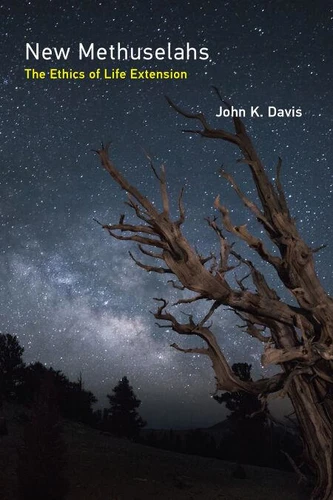
New Methuselahs. The Ethics of Life Extension
Par :Formats :
Disponible dans votre compte client Decitre ou Furet du Nord dès validation de votre commande. Le format ePub protégé est :
- Compatible avec une lecture sur My Vivlio (smartphone, tablette, ordinateur)
- Compatible avec une lecture sur liseuses Vivlio
- Pour les liseuses autres que Vivlio, vous devez utiliser le logiciel Adobe Digital Edition. Non compatible avec la lecture sur les liseuses Kindle, Remarkable et Sony
- Non compatible avec un achat hors France métropolitaine
 , qui est-ce ?
Notre partenaire de plateforme de lecture numérique où vous retrouverez l'ensemble de vos ebooks gratuitement
Pour en savoir plus sur nos ebooks, consultez notre aide en ligne ici
C'est si simple ! Lisez votre ebook avec l'app Vivlio sur votre tablette, mobile ou ordinateur :

- Nombre de pages368
- FormatePub
- ISBN978-0-262-34723-5
- EAN9780262347235
- Date de parution21/08/2018
- Protection num.Adobe DRM
- Taille2 Mo
- Infos supplémentairesepub
- ÉditeurThe MIT Press
Résumé
An examination of the ethical issues raised by the possibility of human life extension, including its desirability, unequal access, and the threat of overpopulation. Life extension-slowing or halting human aging-is now being taken seriously by many scientists. Although no techniques to slow human aging yet exist, researchers have successfully slowed aging in yeast, mice, and fruit flies, and have determined that humans share aging-related genes with these species.
In New Methuselahs, John Davis offers a philosophical discussion of the ethical issues raised by the possibility of human life extension. Why consider these issues now, before human life extension is a reality? Davis points out that, even today, we are making policy and funding decisions about human life extension research that have ethical implications. With New Methuselahs, he provides a comprehensive guide to these issues, offering policy recommendations and a qualified defense of life extension.
After an overview of the ethics and science of life extension, Davis considers such issues as the desirability of extended life; whether refusing extended life is a form of suicide; the Malthusian threat of overpopulation; equal access to life extension; and life extension and the right against harm. In the end, Davis sides neither with those who argue that there are no moral objections to life enhancement nor with those who argue that the moral objections are so strong that we should never develop it.
Davis argues that life extension is, on balance, a good thing and that we should fund life extension research aggressively, and he proposes a feasible and just policy for preventing an overpopulation crisis.
In New Methuselahs, John Davis offers a philosophical discussion of the ethical issues raised by the possibility of human life extension. Why consider these issues now, before human life extension is a reality? Davis points out that, even today, we are making policy and funding decisions about human life extension research that have ethical implications. With New Methuselahs, he provides a comprehensive guide to these issues, offering policy recommendations and a qualified defense of life extension.
After an overview of the ethics and science of life extension, Davis considers such issues as the desirability of extended life; whether refusing extended life is a form of suicide; the Malthusian threat of overpopulation; equal access to life extension; and life extension and the right against harm. In the end, Davis sides neither with those who argue that there are no moral objections to life enhancement nor with those who argue that the moral objections are so strong that we should never develop it.
Davis argues that life extension is, on balance, a good thing and that we should fund life extension research aggressively, and he proposes a feasible and just policy for preventing an overpopulation crisis.