SOLDES
Jusqu'à -70% sur une sélection d'articles*

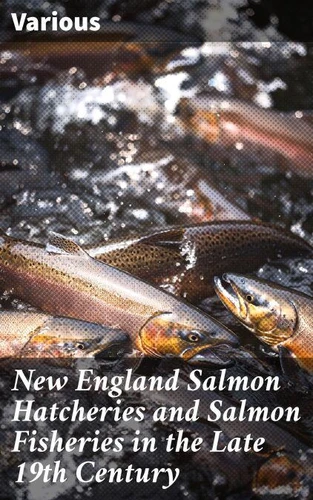
New England Salmon Hatcheries and Salmon Fisheries in the Late 19th Century. Exploring Salmon Conservation in 19th Century New England
Par :Formats :
Disponible dans votre compte client Decitre ou Furet du Nord dès validation de votre commande. Le format ePub est :
- Compatible avec une lecture sur My Vivlio (smartphone, tablette, ordinateur)
- Compatible avec une lecture sur liseuses Vivlio
- Pour les liseuses autres que Vivlio, vous devez utiliser le logiciel Adobe Digital Edition. Non compatible avec la lecture sur les liseuses Kindle, Remarkable et Sony
 , qui est-ce ?
Notre partenaire de plateforme de lecture numérique où vous retrouverez l'ensemble de vos ebooks gratuitement
Pour en savoir plus sur nos ebooks, consultez notre aide en ligne ici
C'est si simple ! Lisez votre ebook avec l'app Vivlio sur votre tablette, mobile ou ordinateur :

- Nombre de pages44
- FormatePub
- ISBN859-65--4752390-1
- EAN8596547523901
- Date de parution22/08/2023
- Protection num.Digital Watermarking
- Taille577 Ko
- Infos supplémentairesepub
- ÉditeurGOOD PRESS
Résumé
In "New England Salmon Hatcheries and Salmon Fisheries in the Late 19th Century, " various authors compile a comprehensive examination of the intricate relationship between salmon hatcheries and the burgeoning fisheries industry during a pivotal era in American history. This scholarly work employs a blend of archival research and contemporary analysis, revealing the technological advancements and ecological understandings that shaped salmon cultivation and management in New England.
Through meticulous narratives, the text weaves together historical accounts, scientific data, and socio-economic factors, situating the salmon industry within the broader context of environmental change and human intervention during the late 19th century. The contributors to this volume are renowned experts in fisheries science, environmental history, and the social sciences, with backgrounds that inform their insights into the ever-evolving dynamics of salmon populations and fisheries.
Their collective expertise sheds light on the regulatory frameworks, conservation efforts, and community practices that emerged in response to the rapid commercialization of fisheries. By examining the motivations and ramifications of hatchery operations, the authors offer a nuanced understanding of the struggles for sustainable management that persists to this day. This book is essential reading for historians, ecologists, and anyone interested in the intersection of human activity and natural ecosystems.
It provides critical perspectives on the legacy of salmon fisheries and serves as a vital resource for current discussions on fisheries management and environmental sustainability. Readers will gain invaluable insights into how past practices have shaped the present, fostering a deeper appreciation for conservation efforts moving forward.
Through meticulous narratives, the text weaves together historical accounts, scientific data, and socio-economic factors, situating the salmon industry within the broader context of environmental change and human intervention during the late 19th century. The contributors to this volume are renowned experts in fisheries science, environmental history, and the social sciences, with backgrounds that inform their insights into the ever-evolving dynamics of salmon populations and fisheries.
Their collective expertise sheds light on the regulatory frameworks, conservation efforts, and community practices that emerged in response to the rapid commercialization of fisheries. By examining the motivations and ramifications of hatchery operations, the authors offer a nuanced understanding of the struggles for sustainable management that persists to this day. This book is essential reading for historians, ecologists, and anyone interested in the intersection of human activity and natural ecosystems.
It provides critical perspectives on the legacy of salmon fisheries and serves as a vital resource for current discussions on fisheries management and environmental sustainability. Readers will gain invaluable insights into how past practices have shaped the present, fostering a deeper appreciation for conservation efforts moving forward.
A propos de Various


Hello Darkness Vol. 5
E-book
19,61 €
13 little love stories
E-book
9,99 €
19,61 €


0,99 €
Hello Darkness #22
E-book
4,90 €
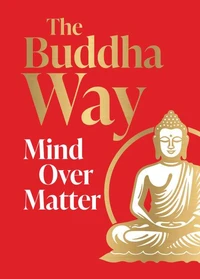
The Buddha Way
E-book
2,93 €

Stoic Secrets
E-book
2,93 €

3,49 €

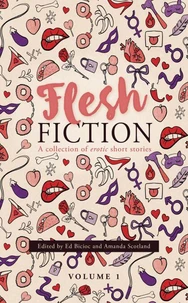
4,49 €

Hello Darkness #21
E-book
5,88 €

Hello Body Horror #1
E-book
5,88 €
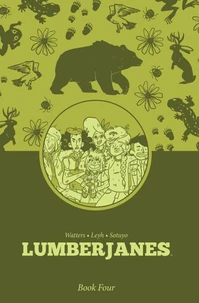
Lumberjanes Book Four
E-book
19,61 €

Hello Darkness #20
E-book
5,88 €

50,03 €