SOLDES
Jusqu'à -70% sur une sélection d'articles*

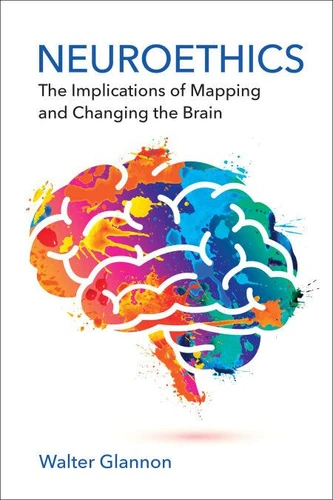
Neuroethics. The Implications of Mapping and Changing the Brain
Par :Formats :
Disponible dans votre compte client Decitre ou Furet du Nord dès validation de votre commande. Le format ePub protégé est :
- Compatible avec une lecture sur My Vivlio (smartphone, tablette, ordinateur)
- Compatible avec une lecture sur liseuses Vivlio
- Pour les liseuses autres que Vivlio, vous devez utiliser le logiciel Adobe Digital Edition. Non compatible avec la lecture sur les liseuses Kindle, Remarkable et Sony
- Non compatible avec un achat hors France métropolitaine
 , qui est-ce ?
Notre partenaire de plateforme de lecture numérique où vous retrouverez l'ensemble de vos ebooks gratuitement
Pour en savoir plus sur nos ebooks, consultez notre aide en ligne ici
C'est si simple ! Lisez votre ebook avec l'app Vivlio sur votre tablette, mobile ou ordinateur :

- Nombre de pages294
- FormatePub
- ISBN978-0-262-38493-3
- EAN9780262384933
- Date de parution11/11/2025
- Protection num.Adobe DRM
- Taille1 Mo
- Infos supplémentairesepub
- ÉditeurThe MIT Press
Résumé
An examination of ethical issues in recording and intervening in the brain, and the neurobiological basis of moral decision-making. Neuroethics is an introduction to the main ethical and legal issues in six areas of experimental and clinical neuroscience: neuroimaging; disorders of consciousness; brain death; cognitive and moral enhancement; the neurobiological basis of moral reasoning; and neural prosthetics.
The book is distinctive in offering a comprehensive discussion of the main issues in the ethics of neuroscience and the neuroscience of ethics that have developed over the last 25 years. Walter Glannon captures the historical, current, and future-oriented aspects of neuroethics and discusses emerging issues such as the use of machine learning and artificial intelligence in diagnostic and predictive neuroimaging, brain organoids, and neural prosthetics, as well as neurorights to protect information about people's brains.
The book is distinctive in offering a comprehensive discussion of the main issues in the ethics of neuroscience and the neuroscience of ethics that have developed over the last 25 years. Walter Glannon captures the historical, current, and future-oriented aspects of neuroethics and discusses emerging issues such as the use of machine learning and artificial intelligence in diagnostic and predictive neuroimaging, brain organoids, and neural prosthetics, as well as neurorights to protect information about people's brains.