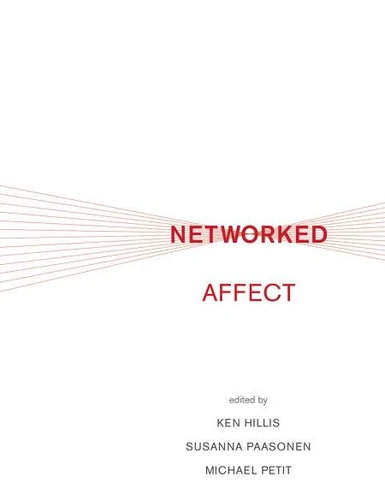
Networked Affect
Par : , ,Formats :
Disponible dans votre compte client Decitre ou Furet du Nord dès validation de votre commande. Le format ePub protégé est :
- Compatible avec une lecture sur My Vivlio (smartphone, tablette, ordinateur)
- Compatible avec une lecture sur liseuses Vivlio
- Pour les liseuses autres que Vivlio, vous devez utiliser le logiciel Adobe Digital Edition. Non compatible avec la lecture sur les liseuses Kindle, Remarkable et Sony
- Non compatible avec un achat hors France métropolitaine
 , qui est-ce ?
Notre partenaire de plateforme de lecture numérique où vous retrouverez l'ensemble de vos ebooks gratuitement
Pour en savoir plus sur nos ebooks, consultez notre aide en ligne ici
C'est si simple ! Lisez votre ebook avec l'app Vivlio sur votre tablette, mobile ou ordinateur :

- Nombre de pages280
- FormatePub
- ISBN978-0-262-32735-0
- EAN9780262327350
- Date de parution13/03/2015
- Protection num.Adobe DRM
- Taille7 Mo
- Infos supplémentairesepub
- ÉditeurThe MIT Press
Résumé
Investigations of affective experiences that emerge in online settings that range from Facebook discussion forums to "smart" classrooms. Our encounters with websites, avatars, videos, mobile apps, discussion forums, GIFs, and nonhuman intelligent agents allow us to experience sensations of connectivity, interest, desire, and attachment-as well as detachment, boredom, fear, and shame. Some affective online encounters may arouse complex, contradictory feelings that resist dualistic distinctions.
In this book, leading scholars examine the fluctuating and altering dynamics of affect that give shape to online connections and disconnections. Doing so, they tie issues of circulation and connectivity to theorizations of networked affect. Their diverse investigations-considering subjects that range from online sexual dynamics to the liveliness of computer code-demonstrate the value of affect theories for Internet studies.
The contributors investigate networked affect in terms of intensity, sensation, and value. They explore online intensities that range from Tumblr practices in LGBTQ communities to visceral reactions to animated avatars; examine the affective materiality of software in such platforms as steampunk culture and nonprofit altporn; and analyze the ascription of value to online activities including the GTD ("getting things done") movement and the accumulation of personal digital materials.
ContributorsJames Ash, Alex Cho, Jodi Dean, Melissa Gregg, Ken Hillis, Kylie Jarrett, Tero Karppi, Stephen Maddison, Susanna Paasonen, Jussi Parikka, Michael Petit, Jennifer Pybus, Jenny Sundén, Veronika Tzankova
In this book, leading scholars examine the fluctuating and altering dynamics of affect that give shape to online connections and disconnections. Doing so, they tie issues of circulation and connectivity to theorizations of networked affect. Their diverse investigations-considering subjects that range from online sexual dynamics to the liveliness of computer code-demonstrate the value of affect theories for Internet studies.
The contributors investigate networked affect in terms of intensity, sensation, and value. They explore online intensities that range from Tumblr practices in LGBTQ communities to visceral reactions to animated avatars; examine the affective materiality of software in such platforms as steampunk culture and nonprofit altporn; and analyze the ascription of value to online activities including the GTD ("getting things done") movement and the accumulation of personal digital materials.
ContributorsJames Ash, Alex Cho, Jodi Dean, Melissa Gregg, Ken Hillis, Kylie Jarrett, Tero Karppi, Stephen Maddison, Susanna Paasonen, Jussi Parikka, Michael Petit, Jennifer Pybus, Jenny Sundén, Veronika Tzankova