SOLDES
Jusqu'à -70% sur une sélection d'articles*

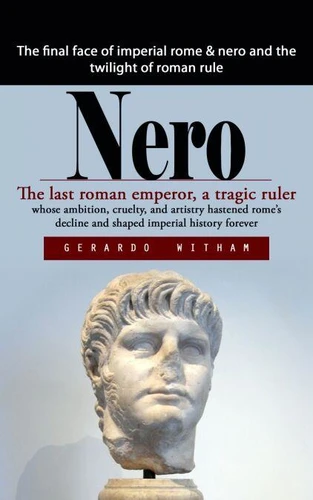
Nero: The final face of imperial rome & nero and the twilight of roman rule (The last roman emperor, a tragic ruler whose ambition, cruelty, and artistry hastened rome’s decline and shaped imperial history forever)
Par :Formats :
Disponible dans votre compte client Decitre ou Furet du Nord dès validation de votre commande. Le format ePub est :
- Compatible avec une lecture sur My Vivlio (smartphone, tablette, ordinateur)
- Compatible avec une lecture sur liseuses Vivlio
- Pour les liseuses autres que Vivlio, vous devez utiliser le logiciel Adobe Digital Edition. Non compatible avec la lecture sur les liseuses Kindle, Remarkable et Sony
 , qui est-ce ?
Notre partenaire de plateforme de lecture numérique où vous retrouverez l'ensemble de vos ebooks gratuitement
Pour en savoir plus sur nos ebooks, consultez notre aide en ligne ici
C'est si simple ! Lisez votre ebook avec l'app Vivlio sur votre tablette, mobile ou ordinateur :

- FormatePub
- ISBN8902161851
- EAN9798902161851
- Date de parution16/01/2026
- Protection num.Digital Watermarking
- Taille614 Ko
- Infos supplémentairesepub
- ÉditeurRob Satterfield
Résumé
Nero is a vivid and thought-provoking exploration of one of history's most controversial rulers. The book traces nero's journey from a young, privileged heir to the ruler of the vast roman empire, revealing how early promise gradually gave way to fear, excess, and political instability. It examines the influences that shaped his character, including powerful advisors, family intrigue, and the immense pressure of imperial authority.
The narrative explores nero's passion for music, theater, and artistic performance, showing how his desire for admiration clashed with roman expectations of leadership.
Central events such as the great fire of rome are carefully examined, separating historical evidence from enduring myth, while explaining how these events defined nero's public image. The book also addresses nero's brutal treatment of perceived enemies, the persecution of christians, and the growing atmosphere of terror within the empire. As nero's relationship with the senate, military, and people deteriorated, rebellion and economic strain weakened imperial stability.
The final chapters recount his dramatic downfall and death, marking the end of the julio-claudian dynasty. Rather than portraying nero solely as a monster, the book offers a balanced assessment, presenting him as a complex figure whose reign symbolized both the height of imperial power and the beginning of rome's internal decay.
Central events such as the great fire of rome are carefully examined, separating historical evidence from enduring myth, while explaining how these events defined nero's public image. The book also addresses nero's brutal treatment of perceived enemies, the persecution of christians, and the growing atmosphere of terror within the empire. As nero's relationship with the senate, military, and people deteriorated, rebellion and economic strain weakened imperial stability.
The final chapters recount his dramatic downfall and death, marking the end of the julio-claudian dynasty. Rather than portraying nero solely as a monster, the book offers a balanced assessment, presenting him as a complex figure whose reign symbolized both the height of imperial power and the beginning of rome's internal decay.