SOLDES
Jusqu'à -70% sur une sélection d'articles*

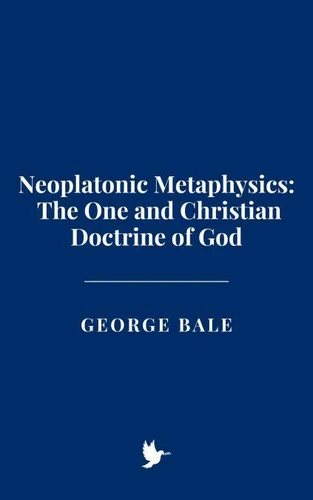
Neoplatonic Metaphysics: The One and Christian Doctrine of God
Par :Formats :
Disponible dans votre compte client Decitre ou Furet du Nord dès validation de votre commande. Le format ePub est :
- Compatible avec une lecture sur My Vivlio (smartphone, tablette, ordinateur)
- Compatible avec une lecture sur liseuses Vivlio
- Pour les liseuses autres que Vivlio, vous devez utiliser le logiciel Adobe Digital Edition. Non compatible avec la lecture sur les liseuses Kindle, Remarkable et Sony
 , qui est-ce ?
Notre partenaire de plateforme de lecture numérique où vous retrouverez l'ensemble de vos ebooks gratuitement
Pour en savoir plus sur nos ebooks, consultez notre aide en ligne ici
C'est si simple ! Lisez votre ebook avec l'app Vivlio sur votre tablette, mobile ou ordinateur :

- FormatePub
- ISBN8231485680
- EAN9798231485680
- Date de parution17/05/2025
- Protection num.pas de protection
- Infos supplémentairesepub
- ÉditeurWalzone Press
Résumé
Neoplatonic Metaphysics: The One and Christian Doctrine of God by George Bale offers a profound exploration into the intersection of ancient philosophical thought and Christian theology. This book bridges two seemingly disparate worlds-Neoplatonism, with its ideas of divine emanation and the ineffable One, and the Christian conception of God as a personal, relational being. Bale delves into the metaphysical implications of The One as the source of all reality, comparing it with the Christian doctrine of creation ex nihilo, and unpacks the deeply philosophical ideas that shaped early Christian thought.
Through an in-depth analysis of key figures like Plotinus, Augustine, and Pseudo-Dionysius, this book provides a fresh perspective on the influence of Neoplatonism on the development of Christian theology. With clear explanations and thoughtful commentary, Neoplatonic Metaphysics not only clarifies the complex relationship between these two intellectual traditions but also invites readers to contemplate the nature of God, creation, and the divine good-making it essential reading for anyone interested in philosophy, theology, and the rich history of thought that shaped Western civilization.
Through an in-depth analysis of key figures like Plotinus, Augustine, and Pseudo-Dionysius, this book provides a fresh perspective on the influence of Neoplatonism on the development of Christian theology. With clear explanations and thoughtful commentary, Neoplatonic Metaphysics not only clarifies the complex relationship between these two intellectual traditions but also invites readers to contemplate the nature of God, creation, and the divine good-making it essential reading for anyone interested in philosophy, theology, and the rich history of thought that shaped Western civilization.
A propos de George Bale


2,99 €


3,99 €


3,99 €

3,99 €


