SOLDES
Jusqu'à -70% sur une sélection d'articles*

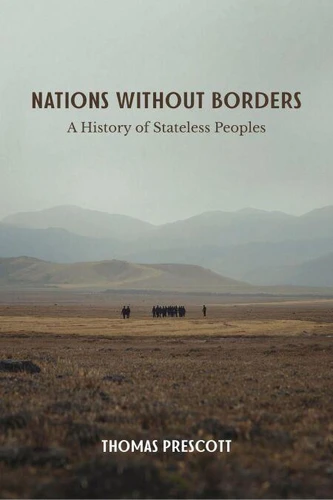
Nations Without Borders: A History of Stateless Peoples
Par :Formats :
Disponible dans votre compte client Decitre ou Furet du Nord dès validation de votre commande. Le format ePub est :
- Compatible avec une lecture sur My Vivlio (smartphone, tablette, ordinateur)
- Compatible avec une lecture sur liseuses Vivlio
- Pour les liseuses autres que Vivlio, vous devez utiliser le logiciel Adobe Digital Edition. Non compatible avec la lecture sur les liseuses Kindle, Remarkable et Sony
 , qui est-ce ?
Notre partenaire de plateforme de lecture numérique où vous retrouverez l'ensemble de vos ebooks gratuitement
Pour en savoir plus sur nos ebooks, consultez notre aide en ligne ici
C'est si simple ! Lisez votre ebook avec l'app Vivlio sur votre tablette, mobile ou ordinateur :

- FormatePub
- ISBN8232798888
- EAN9798232798888
- Date de parution27/01/2026
- Protection num.pas de protection
- Infos supplémentairesepub
- ÉditeurDraft2Digital
Résumé
"States rise and fall. Borders move. But nations without states endure-quietly, persistently, and against expectation." The modern world assumes that nations and states are identical, yet history proves otherwise. In Nations Without Borders, Thomas Prescott provides a calm, analytical, and non-sentimental re-examination of human groups that persist without formal sovereignty. From the fluid loyalties of pre-modern kinship to the institutionalized limbo of today's "de facto states, " this book reveals that identity and political consciousness have never required a seat at the UN to survive.
Moving with the structural clarity of Imagined Communities and the geopolitical realism of Against the Grain, Prescott explores how the very invention of the modern state created "statelessness" as a structural outcome. He investigates the "Violence of Classification"-how census categories and standardized languages began to erase peoples on paper long before they were excluded by borders. The book explores "Governance Without Sovereignty, " detailing how councils, elders, and shared memory substitute for institutions, allowing nations to survive through strategic flexibility rather than direct confrontation with the state's monopoly on power.
Nations Without Borders is a vital roadmap for a world where the international system remains blind to any group without a flag. Prescott argues that the state is an administrative overlay that can fail far more easily than the social network of a nation. In an era of increasing fragmentation and ethnic sorting, he analyzes why the modern order creates more stateless nations than it can ever resolve.
This is an essential inquiry for anyone ready to look past the map and understand the enduring human networks that borders couldn't erase.
Moving with the structural clarity of Imagined Communities and the geopolitical realism of Against the Grain, Prescott explores how the very invention of the modern state created "statelessness" as a structural outcome. He investigates the "Violence of Classification"-how census categories and standardized languages began to erase peoples on paper long before they were excluded by borders. The book explores "Governance Without Sovereignty, " detailing how councils, elders, and shared memory substitute for institutions, allowing nations to survive through strategic flexibility rather than direct confrontation with the state's monopoly on power.
Nations Without Borders is a vital roadmap for a world where the international system remains blind to any group without a flag. Prescott argues that the state is an administrative overlay that can fail far more easily than the social network of a nation. In an era of increasing fragmentation and ethnic sorting, he analyzes why the modern order creates more stateless nations than it can ever resolve.
This is an essential inquiry for anyone ready to look past the map and understand the enduring human networks that borders couldn't erase.