Narcissism is the defining pathology of the twenty-first century, but what if it is not self-obsession that defines us but a need for self-transformation?Narcissus in Bloom is a short history of the self-portrait, beginning with Renaissance painters like Albrecht Dürer, Rembrandt and Caravaggio, through to photographers and celebrities like Paris Hilton and Kim Kardashian, Lee Friedlander and Hervé Guibert.
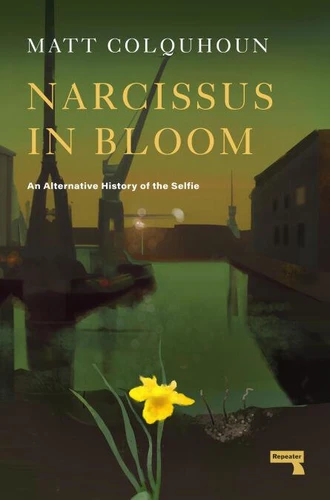
Analysing the ways that so many artists have regarded their own image, how might the age of the selfie be considered as a time of transformation rather than stasis? By returning to the original tale of Narcissus, and the flower from which he takes his name, this book offers an alternative reading of narcissism from within the midst of a moralising subgenre of books that argue our self-obsession will be the death of us.
That may be so. But what will we become after we have taken the watery track, and rid ourselves of the cloistered self-image given to us by late capitalism?
Narcissism is the defining pathology of the twenty-first century, but what if it is not self-obsession that defines us but a need for self-transformation?Narcissus in Bloom is a short history of the self-portrait, beginning with Renaissance painters like Albrecht Dürer, Rembrandt and Caravaggio, through to photographers and celebrities like Paris Hilton and Kim Kardashian, Lee Friedlander and Hervé Guibert.
Analysing the ways that so many artists have regarded their own image, how might the age of the selfie be considered as a time of transformation rather than stasis? By returning to the original tale of Narcissus, and the flower from which he takes his name, this book offers an alternative reading of narcissism from within the midst of a moralising subgenre of books that argue our self-obsession will be the death of us.
That may be so. But what will we become after we have taken the watery track, and rid ourselves of the cloistered self-image given to us by late capitalism?


 , qui est-ce ?